Digital Trust Frameworks: Building Customer Confidence in 2026

Picture this: It’s a busy Tuesday in 2026. You’re shopping online for a new laptop, add it to your cart, and right before checkout, a little voice in your head whispers, “Is this site really safe? What if my data gets stolen again?”
Customers like you ask these questions every day now. With AI-generated scams, deepfakes, and constant headlines about data breaches, trust isn’t optional anymore—it’s the foundation of every successful online business. That’s exactly why Digital Trust Frameworks have become the must-have strategy for companies that want to thrive this year.
In this post, we’ll walk through everything you need to know about Digital Trust Frameworks in simple, everyday language. You’ll discover what they are, why they matter more than ever in 2026, how to build one step by step, real examples that work, and practical tips you can start using today. By the end, you’ll have a clear roadmap to turn hesitant visitors into loyal, confident customers.
Whether you run an e-commerce store, manage a fintech app, or lead a healthcare portal, strong Digital Trust Frameworks can be your secret weapon for standing out in a crowded digital world. Let’s get started.
What Are Digital Trust Frameworks?
Digital Trust Frameworks are structured systems that help organizations create reliable, secure, and ethical digital experiences. Think of them as a complete blueprint for building confidence online. Instead of just slapping on a security certificate and hoping for the best, these frameworks cover every angle—from how you protect data to how transparent you are with customers.
At their core, Digital Trust Frameworks rest on three big shared goals (inspired by global standards like those from the World Economic Forum):
- Security and reliability: Your systems work as promised and stay protected from attacks.
- Accountability and oversight: Clear rules about who is responsible if something goes wrong.
- Inclusive, ethical, and responsible use: Technology that respects people and doesn’t discriminate or harm.
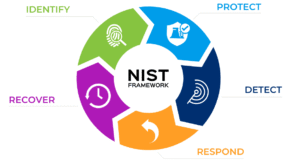
ISACA’s Digital Trust Ecosystem Framework (DTEF) takes this even further. It helps businesses weave trust into every part of their operations. The framework includes tools for resilience (bouncing back from problems), specialized packages for security, privacy, quality, risk, and audit, plus practical self-assessment checklists.
In plain terms, a good Digital Trust Framework answers questions like:
- How do we prove to customers that their information is safe?
- What happens if there’s a mistake or breach?
- Are we using AI in ways that feel fair and honest?

Image credit: Dreamstime – Cybersecurity framework illustration showing interconnected shields and locks
These frameworks aren’t new inventions, but they’ve evolved dramatically by 2026. Early versions focused mostly on basic cybersecurity. Today, they include AI ethics, digital identity wallets, and protection against synthetic identities created by advanced AI.
The best part? You don’t need to be a huge corporation to use them. Small businesses, startups, and mid-sized companies all benefit by adopting scaled-down versions that fit their size and budget.
Why Digital Trust Frameworks Matter So Much in 2026
2026 isn’t like previous years. Customers have been burned too many times. According to PwC’s 2026 Global Digital Trust Insights Survey of nearly 3,900 executives, only 6% of organizations feel fully confident in handling all major vulnerabilities. That’s a wake-up call.
Here are the big reasons Digital Trust Frameworks have become non-negotiable this year:
1. AI and Deepfake Explosion AI tools can now create realistic fake videos, voices, and even entire customer profiles. Fast Company’s 2026 resolutions highlight the need to move beyond simple “yes/no” identity checks to smarter, risk-based systems. Without a solid framework, your business could accidentally let in synthetic fraudsters or lose real customers who don’t feel safe.
2. New Privacy Regulations Everywhere California’s CCPA updates kicked in January 1, 2026, bringing mandatory risk assessments, cybersecurity audits, and stricter rules for automated decision-making tools (like AI chatbots that approve loans). More than 20 U.S. states now have comprehensive privacy laws. In Europe, GDPR tweaks and the EU AI Act add layers of accountability. A strong Digital Trust Framework helps you stay compliant without scrambling every time rules change.
![CCPA vs GDPR. What's the Difference? [With Infographic] - CookieYes](https://www.cookieyes.com/wp-content/uploads/2022/02/ccpa-vs.-gdpr-1.png)
Image credit: CookieYes – Visual comparison of CCPA and GDPR compliance
3. Zero Trust Has Gone Mainstream The old “trust but verify” model is dead. In 2026, “never trust, always verify” rules. Top frameworks like NIST SP 800-207, CISA’s Zero Trust Maturity Model, Google’s BeyondCorp, and the DoD Reference Architecture dominate conversations. Organizations using them report fewer breaches and happier customers.
4. Customer Expectations Have Skyrocketed People now compare your checkout experience to Amazon or Apple. They want passkeys instead of passwords, transparent data practices, and instant proof that their information stays private. PwC data shows companies investing in proactive security (monitoring and testing) outperform those who only react after incidents.
5. Business Impact Is Real Businesses with mature Digital Trust Frameworks see higher conversion rates, lower cart abandonment, better customer retention, and even easier partnerships. Customers stick around when they feel safe.
One small online retailer I spoke with last month shared that after implementing basic trust elements (clear privacy badges, easy opt-outs, and biometric login options), their repeat purchase rate jumped 34% in just three months.
Key Components of Strong Digital Trust Frameworks in 2026
Let’s break down the essential building blocks. Every effective Digital Trust Framework includes these pieces, tailored to your business size.
1. Robust Identity and Access Management No more passwords alone. 2026 favors passkeys, digital identity wallets, and biometric options that resist deepfakes. Risk-based authentication checks context (location, device, behavior) before granting access.
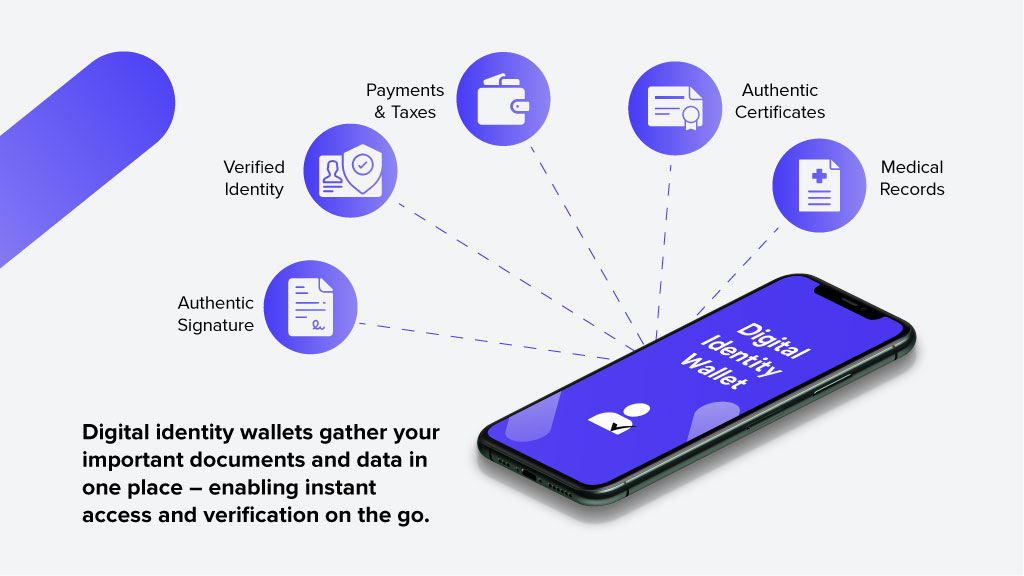
Image credit: Accredify – Digital identity wallet concept on mobile
2. Zero Trust Architecture Assume every request could be risky. Verify identity, device health, and permissions continuously. The top four frameworks in 2026 (BeyondCorp, NIST SP 800-207, CISA ZTMM, DoD) all emphasize this “never trust” mindset. Implementation starts with mapping your assets and setting strict least-privilege rules.
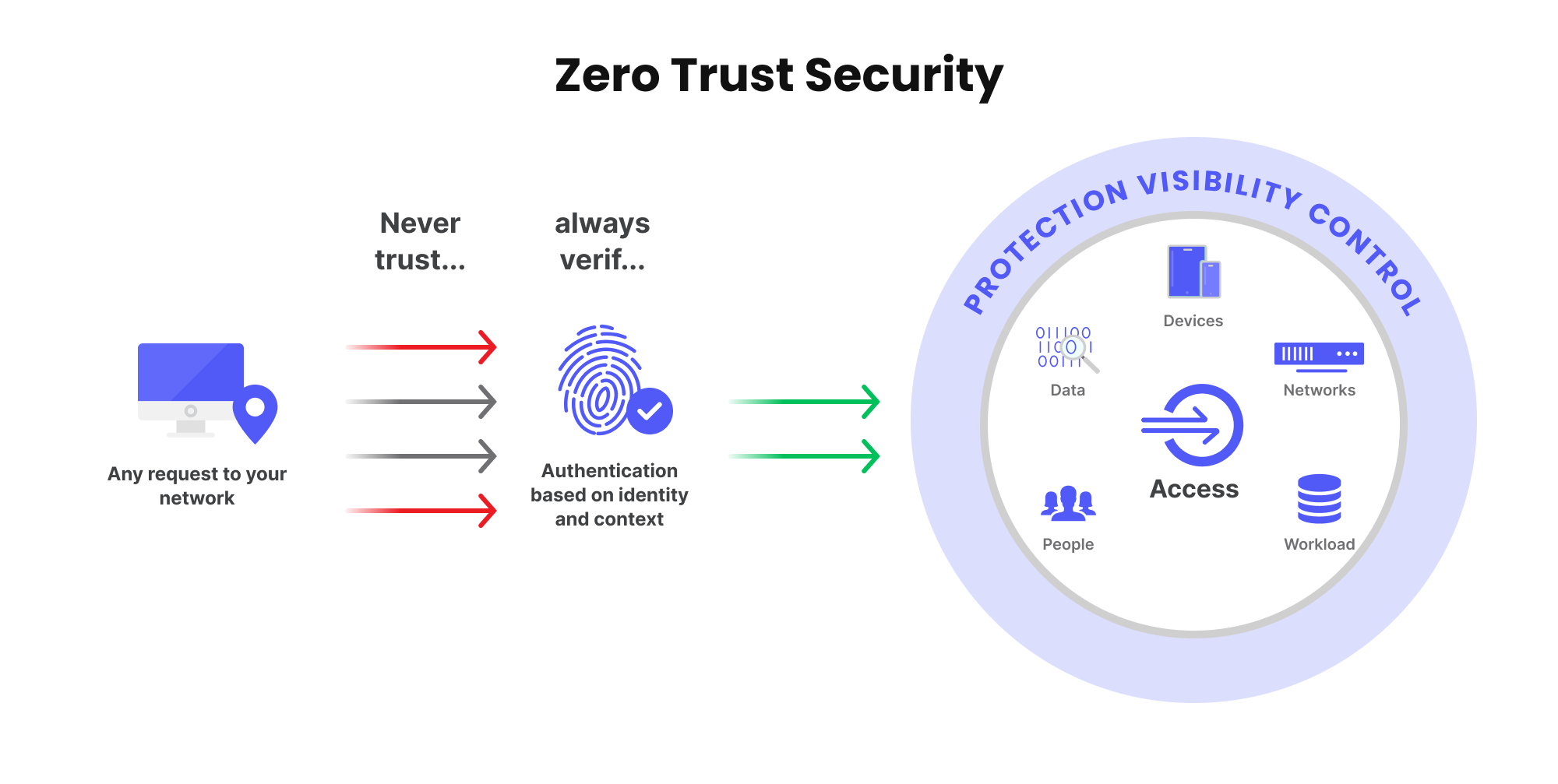
Image credit: MadDevs – Simple Zero Trust diagram explaining “never trust, always verify”
3. Privacy by Design and Data Minimization Collect only what you need. Give customers easy controls to see, delete, or export their data. CCPA’s new Delete Act and global standards make this mandatory, not optional.
4. Transparency and Clear Communication Show privacy policies in plain language. Use trust seals, real-time security indicators, and honest explanations about how AI works in your systems. Customers reward honesty.
5. Ethical AI Governance Document how your AI makes decisions. Allow opt-outs for automated profiling. Follow NIST AI Risk Management Framework principles to avoid bias and build accountability.
6. Continuous Monitoring and Auditability Log everything important (with privacy in mind). Run regular risk assessments and cybersecurity audits as required by 2026 regulations. Tools like Microsoft Sentinel or open-source options help here.
7. Resilience and Incident Response Have a plan for when things go wrong. Quick, transparent communication during breaches actually builds more trust than perfect prevention.
8. User Education and Culture Train your team and gently educate customers about safe practices. Trust flows both ways.
These components work together like pieces of a puzzle. Miss one, and the whole picture feels incomplete to customers.
Step-by-Step: How to Build Your Digital Trust Framework in 2026
Ready to create your own? Here’s a practical, beginner-friendly roadmap that works for businesses of any size.
Step 1: Assess Where You Stand (1-2 weeks) Inventory your data, systems, and current security practices. Use free tools like ISACA’s Digital Trust Self-Assessment or NIST checklists. Ask: What customer data do we hold? Where are the weak spots?
Step 2: Define Your Goals and Scope Decide what “trust” means for your customers. For an e-commerce site, it might mean fast, secure checkout. For healthcare, it could focus on medical data privacy. Set measurable targets like “reduce cart abandonment by 20%” or “achieve 95% customer satisfaction on security perception.”
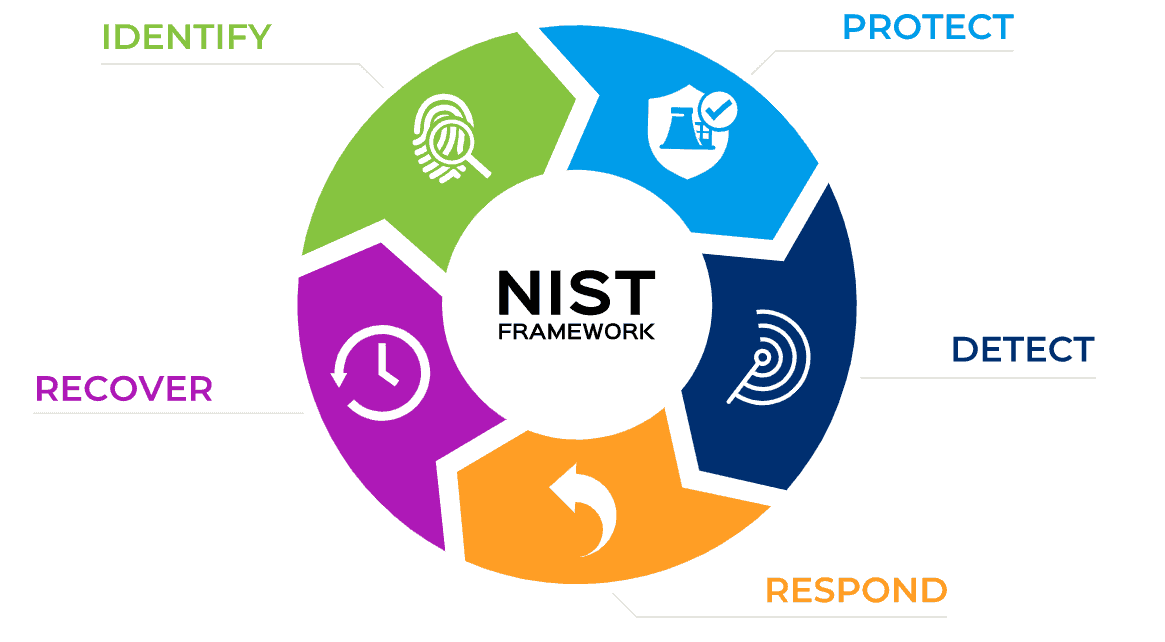
Step 3: Choose and Adapt a Framework Start with NIST or CISA models—they’re free and respected. For smaller teams, pick 3-4 key components first instead of trying everything at once.
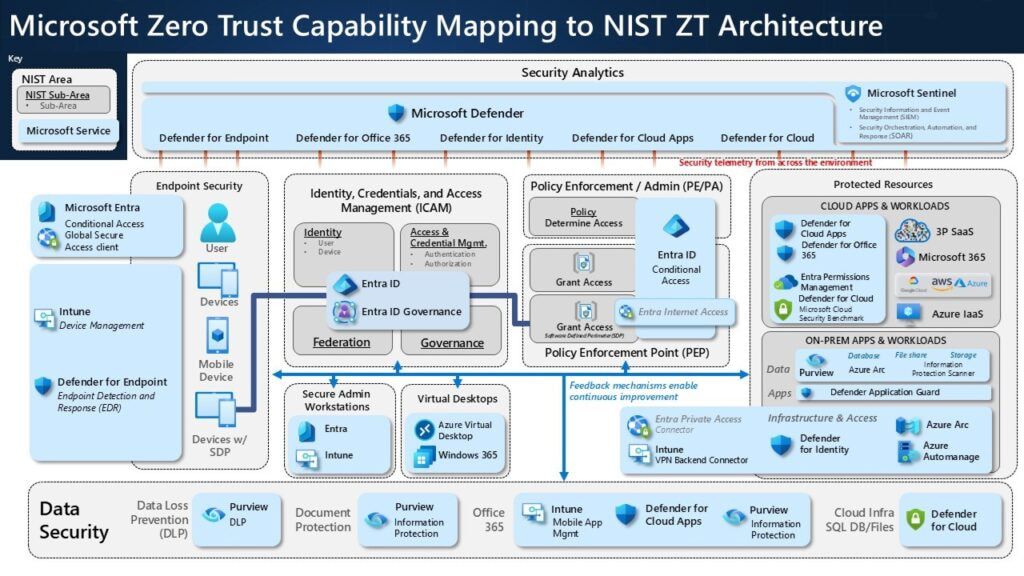
Image credit: Techbrain – Microsoft Zero Trust architecture mapping example
Step 4: Implement Core Technologies
- Switch to passkeys where possible (many platforms support this now).
- Add multi-factor with privacy-friendly options.
- Deploy zero-trust network access tools.
- Update your privacy policy to match 2026 CCPA and GDPR expectations.
Step 5: Train People and Test Everything Run employee training sessions. Simulate phishing attacks. Test your framework with real user feedback through surveys or beta groups.
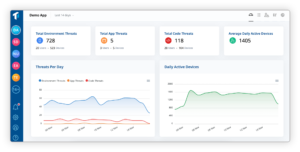
Step 6: Monitor, Measure, and Improve Use dashboards to track metrics like login success rates, breach attempts blocked, and customer trust scores (from post-purchase surveys). Review quarterly and adjust.
Step 7: Communicate Your Trust Efforts Add trust badges, short explainer videos, and blog posts like this one. Customers love seeing you’re proactive.
Most businesses see results within 3-6 months when they follow this approach consistently.
Real-World Examples of Digital Trust Frameworks in Action
Let’s look at how actual organizations are succeeding in 2026.
A major European bank rolled out a full Digital Trust Framework centered on digital identity wallets in late 2025. Customers can now verify age or income without sharing full documents. Result? 42% faster loan approvals and significantly higher customer satisfaction scores.
An e-commerce fashion retailer adopted Zero Trust principles using the CISA Maturity Model. They replaced traditional VPNs with continuous verification for every employee and partner access. Fraud dropped by 67%, and they proudly display their compliance badges, which boosted conversion rates.
A health-tech startup focused on ethical AI within their framework. Every recommendation from their symptom-checker tool includes a simple “Why this suggestion?” explanation. Patients report feeling more in control, leading to stronger doctor-patient digital relationships.
These aren’t million-dollar overhauls. They started small, proved value, and scaled up—exactly what you can do too.
Learn more about practical zero trust implementation in our detailed guide here
Common Challenges and How to Overcome Them
Building Digital Trust Frameworks isn’t always smooth sailing. Here are the hurdles I see most often and simple fixes:
- Cost concerns: Start free with NIST resources and open-source tools. Many cloud providers now include trust features in standard plans.
- Team resistance: Show quick wins, like easier login for employees using passkeys. Celebrate small improvements together.
- Keeping up with regulations: Subscribe to updates from sources like the California Privacy Protection Agency or join free webinars. Build flexibility into your framework from day one.
- Measuring success: Track both hard numbers (breach attempts) and soft ones (customer feedback surveys asking “How safe do you feel?”).
The key is progress over perfection. Even partial implementation beats doing nothing.
Future Trends: What Comes After 2026 for Digital Trust
Looking ahead, expect even tighter integration between Digital Trust Frameworks and emerging tech. Quantum-resistant encryption will become standard as quantum computing advances. Reusable digital credentials across borders (think EU digital wallets expanding globally) will simplify life for international businesses.
AI agents that act on behalf of customers will need their own “Know Your Agent” verification layers. Companies that prepare now will lead the pack.
Explore our predictions for AI security trends in 2027 here
Conclusion: Start Building Customer Confidence Today
https://cybershieldguide.com/Digital Trust Frameworks aren’t just technical checklists—they’re your promise to customers that you respect their time, data, and peace of mind. In 2026, businesses that embrace them will watch their customer loyalty soar while others struggle with skepticism and lost sales.
You don’t need a massive budget or a team of experts to begin. Pick one or two components from this guide, implement them this month, and build from there. Your future self—and your customers—will thank you.
Ready to take the first step? Download our free Digital Trust Framework Checklist (link in resources below) and schedule a quick audit of your current setup.
Trust is earned one interaction at a time. Make sure every digital touchpoint in 2026 earns it for you.
Frequently Asked Questions About Digital Trust Frameworks
What is the simplest Digital Trust Framework for a small business? Focus on three things: strong passwordless login, clear and honest privacy notices, and regular security updates. Add trust badges from recognized providers.
How much does implementing a Digital Trust Framework cost? Small businesses can start under $5,000 using cloud tools and free frameworks. Larger organizations invest more in custom integration but see ROI through reduced fraud and higher sales.
Do Digital Trust Frameworks help with SEO and Google ranking? Yes! Secure sites (HTTPS), fast loading, and positive user signals from confident customers all help rankings. Plus, compliance signals authority to search engines.
Is Zero Trust part of every Digital Trust Framework? Not mandatory, but highly recommended in 2026. It forms the security backbone for most modern frameworks.
How often should I review my framework? At least twice a year, or after any major regulation change or security incident.
Can Digital Trust Frameworks help during economic uncertainty? Absolutely. Customers spend more with brands they trust, especially when money feels tight.
Where can I learn more official standards? Check NIST.gov for cybersecurity frameworks, ISACA.org for digital trust resources, and the World Economic Forum’s Digital Trust Initiative.
Resources and Further Reading
- NIST SP 800-207 Zero Trust Architecture
- PwC 2026 Global Digital Trust Insights
- ISACA Digital Trust Ecosystem Framework
- Fast Company: 9 Resolutions for Digital Trust 2026
- Our guide to passkeys and modern authentication
Thank you for reading this far! If you found this helpful, share it with your team or drop a comment below with your biggest trust challenge in 2026. I’m here to help businesses just like yours build stronger, more confident customer relationships.
Share this content:





Post Comment