AI-Powered SOC Automation
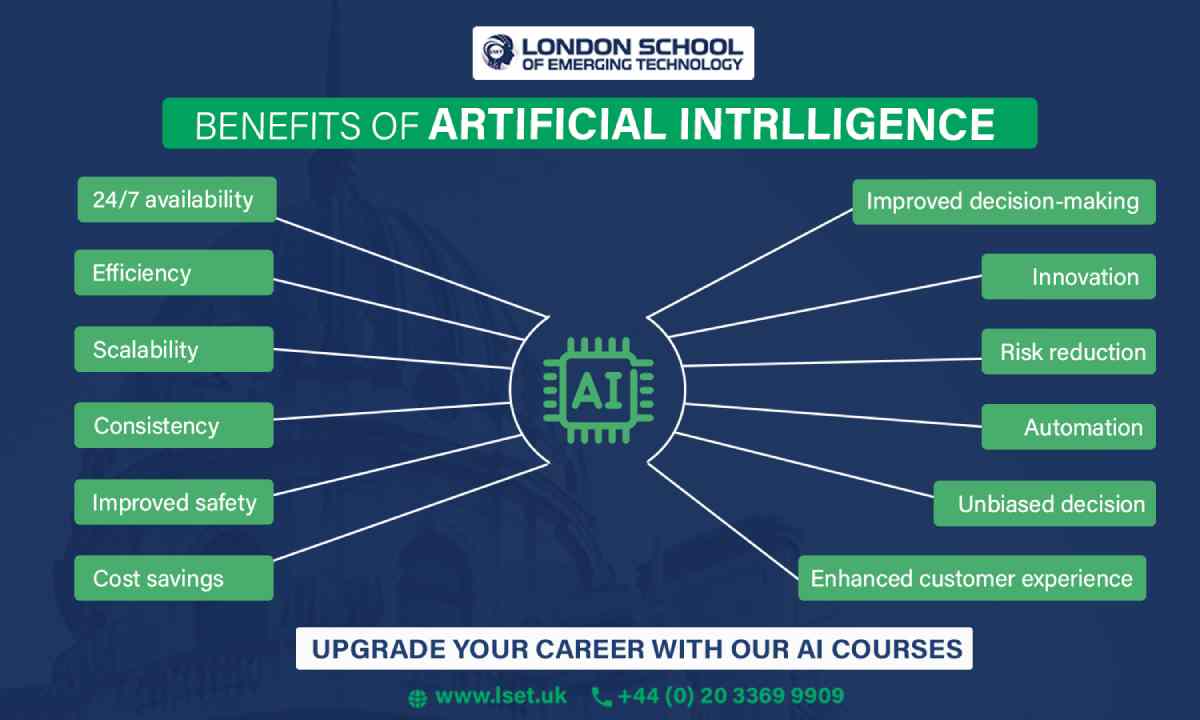
In today’s fast-moving digital world, businesses face constant cyber threats. Hackers get smarter every day, and security teams struggle to keep up. That’s where AI-Powered SOC Automation comes in as a real game-changer. It uses artificial intelligence to handle the heavy lifting in Security Operations Centers, making threat detection, investigation, and response faster and smarter than ever before.
If your team deals with thousands of alerts daily, you know the pain. Most are false alarms that waste time and burn out analysts. AI-Powered SOC Automation cuts through the noise, spots real dangers quickly, and even fixes many issues automatically. In 2026, this isn’t just nice-to-have tech—it’s becoming essential for staying safe online.
This guide explains everything about AI-Powered SOC Automation in simple terms. You’ll learn what it is, why it matters, how it works, real benefits with numbers, actual company stories, steps to start using it, and what the future holds. By the end, you’ll see exactly how this technology can transform your security setup.

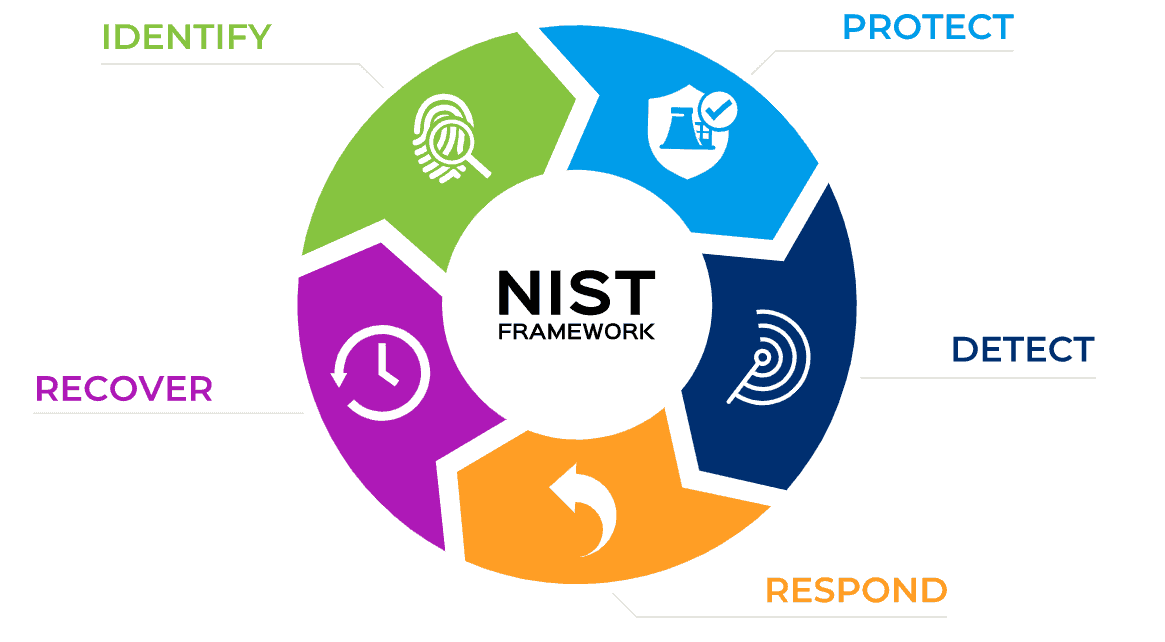
Image credit: devoteam.com
What Is a Traditional Security Operations Center and Why Is It Struggling?
A Security Operations Center, or SOC, is like the command center for your company’s digital defenses. Teams of analysts sit in front of screens 24/7, watching for signs of trouble. They collect logs from firewalls, endpoints, emails, cloud apps, and more. When something looks suspicious, they investigate and respond.
But here’s the problem: modern SOCs are drowning in data. The average team sees over 4,000 alerts every single day. Many come from 28 different tools, creating a huge mess. Analysts spend more than 60% of their time just collecting logs, checking details, and writing reports. That’s exhausting work that leaves little room for hunting real threats.
Staff shortages make it worse. The cybersecurity world has a gap of over 4 million skilled people. Teams work long shifts, deal with burnout, and still miss important alerts—up to 40% go unaddressed. Slow responses mean small problems turn into big breaches that cost millions.
Traditional SOCs rely on rules set by humans. These rules work for known attacks but fail against clever new tricks. Manual processes take hours or days to investigate one alert. In a world where attackers move in minutes, this delay is dangerous.
That’s exactly why AI-Powered SOC Automation exists. It doesn’t replace people—it gives them superpowers to focus on what matters most.
What Exactly Is AI-Powered SOC Automation?
AI-Powered SOC Automation combines artificial intelligence with automation tools to run many SOC tasks without constant human help. It goes beyond simple scripts or fixed rules. Modern systems use machine learning to learn from your environment, spot unusual patterns, and make smart decisions.
At its heart, this automation handles the full threat lifecycle: spotting something odd, digging deeper to understand it, and taking action to stop it. Some advanced setups even use “agentic AI”—smart programs that can plan, reason, and act like a junior analyst but work non-stop.
Think of it like having an always-on assistant who never gets tired. When an alert pops up, the AI checks related data from everywhere—emails, devices, networks, user habits. It decides if it’s a real threat, gathers proof, suggests next steps, or even blocks the bad guy automatically.
Key parts include:
- Collecting and organizing data from all your security tools
- Using AI to analyze behavior and find hidden risks
- Automating responses like isolating a hacked device
- Providing clear summaries and reports for the team
This isn’t sci-fi. Companies already use AI-Powered SOC Automation to cut investigation time by 25% or more. Some see 50% faster work, freeing thousands of hours yearly.
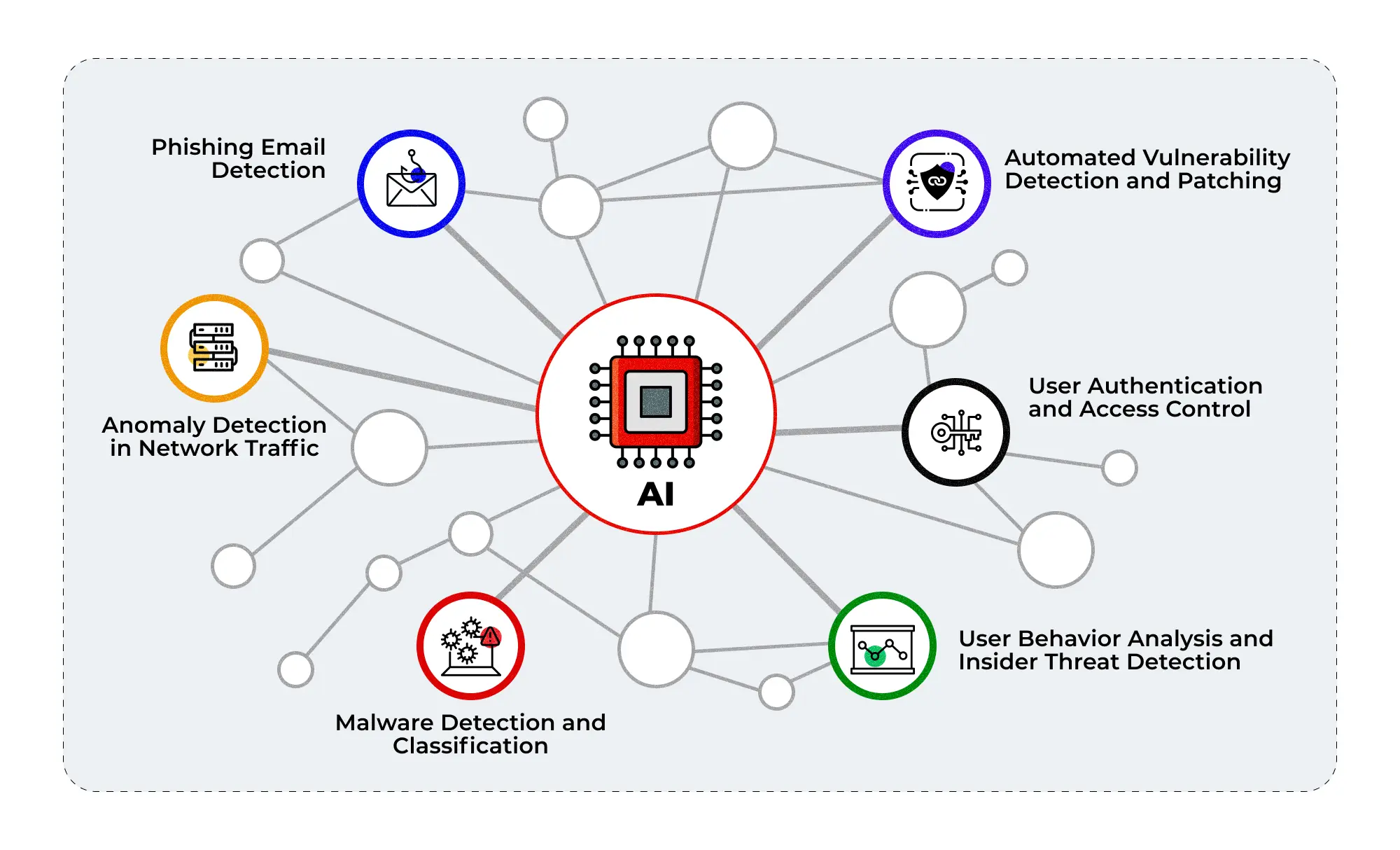
Image credit: maddevs.io
Key Technologies That Make AI-Powered SOC Automation Work
Several smart technologies team up to power AI-Powered SOC Automation. You don’t need to understand every detail, but knowing the main ones helps.
First, AI-enhanced SIEM (Security Information and Event Management). Traditional SIEM just stores logs. The AI version adds machine learning to spot anomalies in real time, correlate events across systems, and reduce false positives automatically.
Next comes SOAR—Security Orchestration, Automation, and Response. This connects all your tools and runs playbooks. When AI spots a phishing email, SOAR can block the sender, reset passwords, and notify users without anyone clicking buttons.
User and Entity Behavior Analytics (UEBA) builds normal profiles for every user and device. If someone suddenly downloads huge files at 3 AM, the system flags it as suspicious.
Agentic AI takes it further. These are autonomous agents that plan their own investigations. They decide what data to pull next, cross-check sources, and even create new workflows on the fly.
Then there’s threat intelligence integration. AI pulls fresh data from global feeds and matches it to your alerts instantly.
All these work together in a unified platform that avoids data silos. Modern setups connect to 300+ tools without forcing you to rip out old systems.

Image credit: stellarcyber.ai
Major Benefits of AI-Powered SOC Automation
The advantages of AI-Powered SOC Automation are huge and measurable. Here’s what real organizations see:
- Massive Reduction in Alert Fatigue AI filters out noise and groups related alerts into clear stories. Teams go from thousands of alerts to just the important ones. One survey showed 65% of leaders prioritize cutting alert noise.
- Much Faster Investigations and Responses 60% of companies using AI cut investigation time by at least 25%. Over 20% achieve more than 50% savings. Phishing checks drop from an hour to 10 minutes.
- 24/7 Coverage Without Extra Staff AI works around the clock. It handles routine tasks so human analysts focus on complex threats. This helps with the talent shortage and prevents burnout—61% of teams report less exhaustion.
- Fewer False Positives and Better Accuracy Behavioral analysis and context make decisions smarter. Systems learn from your environment and past incidents.
- Scalability for Growing Threats Handle exploding data volumes and cloud complexity without hiring proportionally more people. One company automated 100% of Tier-1 alerts with no headcount increase.
- Cost Savings Lower MTTR means less damage from breaches. Reduced manual work cuts operational expenses. Some platforms even compress logs to save storage costs.
- Proactive Threat Hunting AI finds hidden attacks that rules miss, like insider threats or advanced persistent threats.
- Better Compliance and Reporting Automatic documentation and summaries make audits easier.

Image credit: fortinet.com
Real numbers back this up. In 2025 surveys, 79% see automation as mission-critical soon. By 2028, experts predict AI will handle about 60% of SOC tasks.
Real-World Examples of AI-Powered SOC Automation in Action
Companies across industries already benefit from AI-Powered SOC Automation. Here are some stories:
A large retailer with thousands of stores faced ransomware risks. Their AI system detected suspicious activity, isolated affected devices in minutes, blocked command servers, and prevented spread. Containment time dropped from hours to minutes.
In financial services, AI handles fraud, phishing, and account takeovers. It correlates data across systems to stop threats before money moves.
Healthcare organizations use it for compliance and protecting patient data. AI flags unusual access patterns that could signal insider threats.
Carvana, a big car retailer, deployed agentic AI that now manages 100% of Tier-1 alerts. They automated 41 runbooks in the first month and kept headcount stable despite growth.
Valvoline cut daily analyst workload by 7 hours per person using similar automation.
DXC Technology reduced alert fatigue by 60% with AI-driven analytics and automated responses.
These aren’t one-off wins. Platforms from vendors like Radiant Security automate phishing responses by analyzing sender behavior, content, and timing. They block attacks and notify everyone involved.
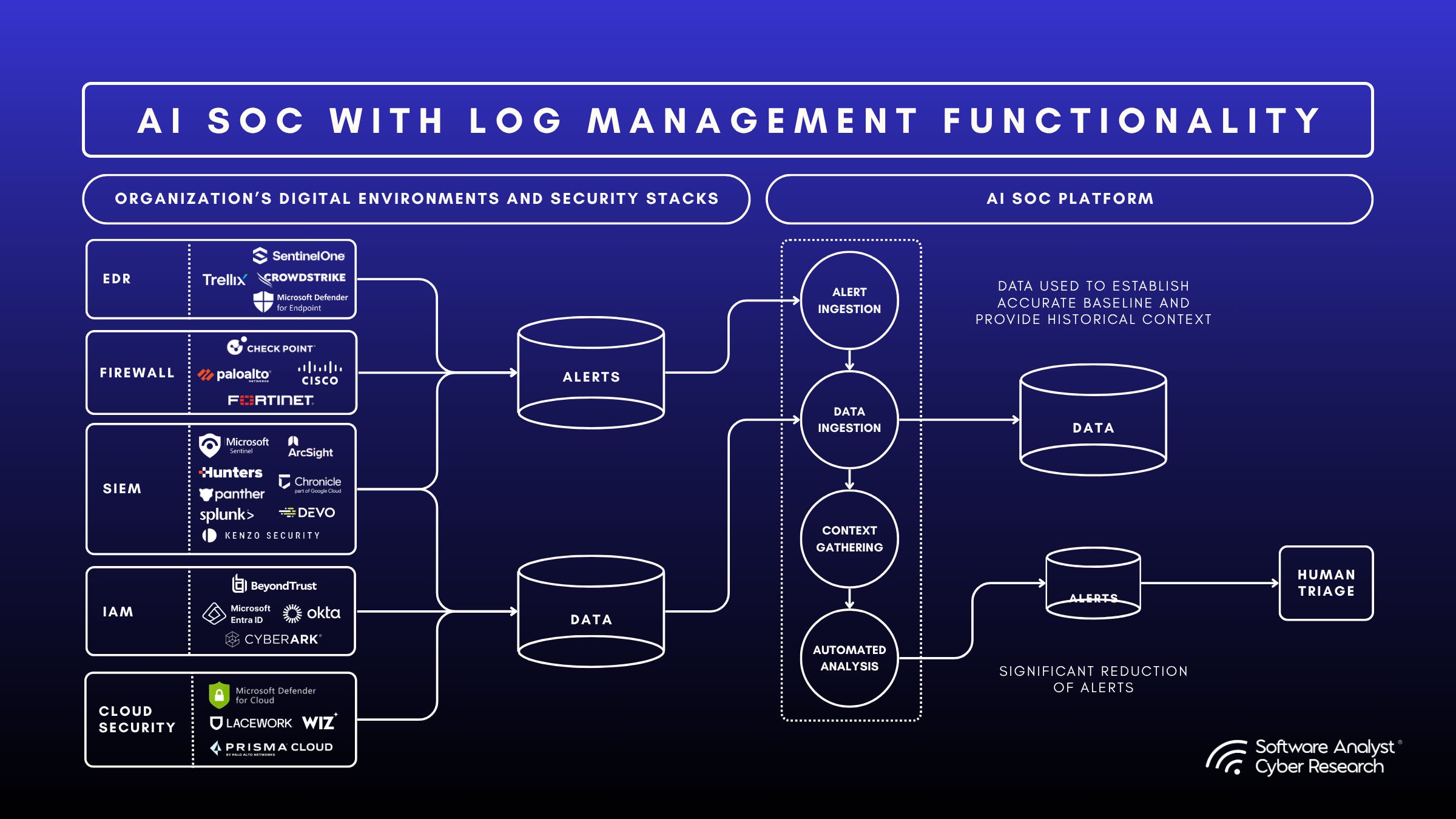
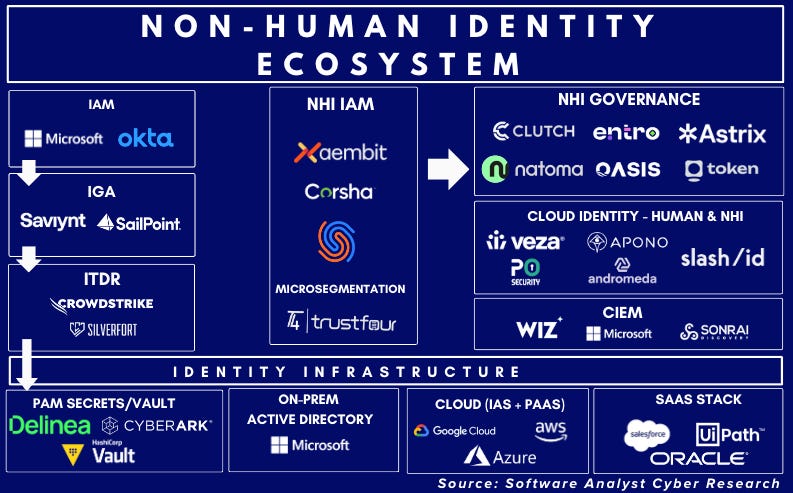
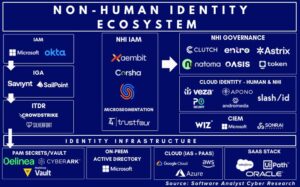
Image credit: softwareanalyst.substack.com
How to Get Started with AI-Powered SOC Automation
Starting doesn’t have to be overwhelming. Follow these practical steps:
- Assess Your Current Setup Look at your alert volume, team size, tools, and pain points. Identify repetitive tasks ripe for automation.
- Choose the Right Platform Look for solutions with strong integrations, easy-to-understand AI explanations, and guardrails for safety. Consider vendors that support your existing SIEM and tools.
- Start Small with Pilots Begin with one area like alert triage or phishing response. Test in a controlled way and measure results.
- Integrate Gradually Connect data sources one by one. Train the AI on your normal patterns.
- Train and Involve Your Team Show analysts how to review AI suggestions and provide feedback. This builds trust—most people need some validation at first.
- Set Clear Policies Define what the AI can do automatically versus what needs human approval.
- Monitor, Measure, and Improve Track metrics like MTTR, false positive rates, and analyst satisfaction. Adjust as you go.
Many organizations see quick wins within weeks. 87% are already moving toward AI integration according to recent surveys.

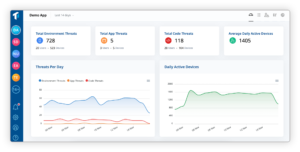
Image credit: vectra-corp.com
Common Challenges and Smart Ways to Overcome Them
No technology is perfect. Here are typical hurdles with AI-Powered SOC Automation and how to handle them:
- Building Trust in AI Decisions Only 9% of analysts feel very confident right away. Solution: Use transparent systems that explain why they flag something. Start with human-in-the-loop reviews.
- Integration with Old Tools Legacy systems don’t always play nice. Choose platforms with hundreds of pre-built connectors and no-code options.
- Data Privacy and Bias Concerns AI learns from your data, so ensure strong governance. Regular audits help avoid unfair patterns.
- Initial Setup Costs It pays off through saved time and prevented breaches. Many see ROI in months via reduced manual effort.
- Skill Gaps Upskill your team on AI collaboration rather than deep coding. Many vendors offer training.
Gartner notes that AI-driven SOCs change how teams work, so focus on people as much as tech.
Future Trends Shaping AI-Powered SOC Automation
Looking ahead to 2026 and beyond, exciting changes are coming:
- Agentic and Multi-Agent Systems AI agents will collaborate like a virtual team, handling end-to-end incidents.
- Preemptive Defense Instead of just reacting, systems will predict and block attacks before they start.
- Deeper Human-AI Partnership Co-pilots and assistants will help junior analysts learn faster while seniors tackle strategy.
- Wider Adoption Gartner predicts big shifts, with AI handling most routine work and organizations investing more.
- Focus on Explainability Future tools will show clear reasoning so teams fully trust outputs.
By 2028, multi-agent AI could be in 70% of threat detection setups, mostly to support staff.
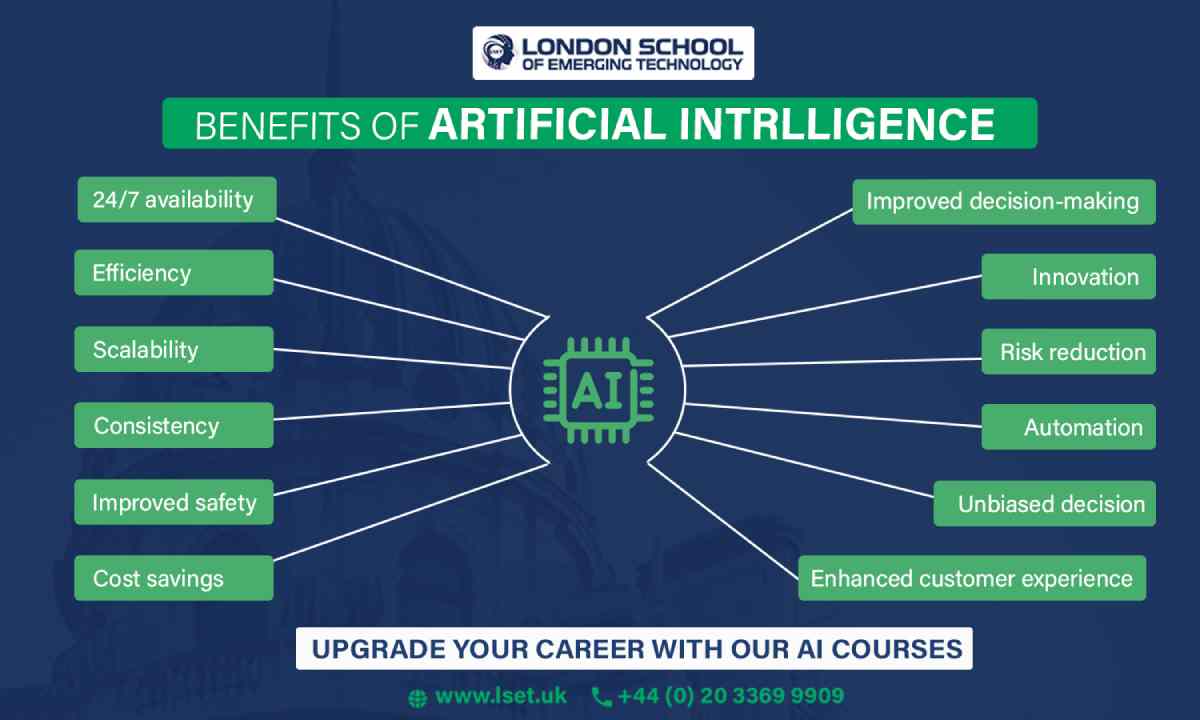
Image credit: lset.uk
Conclusion: Why AI-Powered SOC Automation Is Your Next Smart Move
AI-Powered SOC Automation isn’t hype—it’s proven technology delivering faster responses, happier teams, and stronger security. From cutting alert fatigue to enabling proactive defense, it helps organizations of all sizes stay ahead of threats without burning out people.
Whether you’re a small business or large enterprise, the time to explore this is now. Start by understanding your needs, piloting a solution, and building a culture where AI and humans work together.
The cyber landscape will only get more complex. AI-Powered SOC Automation gives you the edge to protect what matters most—your data, customers, and peace of mind.
Ready to transform your security operations? The future of SOC is intelligent, automated, and incredibly effective.
Frequently Asked Questions About AI-Powered SOC Automation
What is AI-Powered SOC Automation exactly? It’s the use of artificial intelligence and automation to handle threat detection, investigation, and response in a Security Operations Center, reducing manual work and speeding up everything.
How much time can AI-Powered SOC Automation save? Many organizations see 25-50% faster investigations. Some reclaim 7+ hours per analyst daily.
Will AI-Powered SOC Automation replace human analysts? No. It augments them by handling routine tasks so people focus on high-value work like strategy and complex threats.
Is AI-Powered SOC Automation expensive to implement? Initial costs vary, but quick ROI through time savings and breach prevention usually makes it worthwhile.
Can small businesses benefit from AI-Powered SOC Automation? Absolutely. Cloud-based solutions make it accessible without huge teams or budgets.
How do I choose the right AI-Powered SOC Automation tool? Look for strong integrations, explainable AI, scalability, and good support for your existing stack.
For more on related topics, check this excellent resource on real-world SOC use cases: Real-World Use Cases of AI-Powered SOC. Or read about the latest survey insights here: 2025 Pulse of the AI SOC.
Share this content:





Post Comment