Deepfake Detection for Enterprises
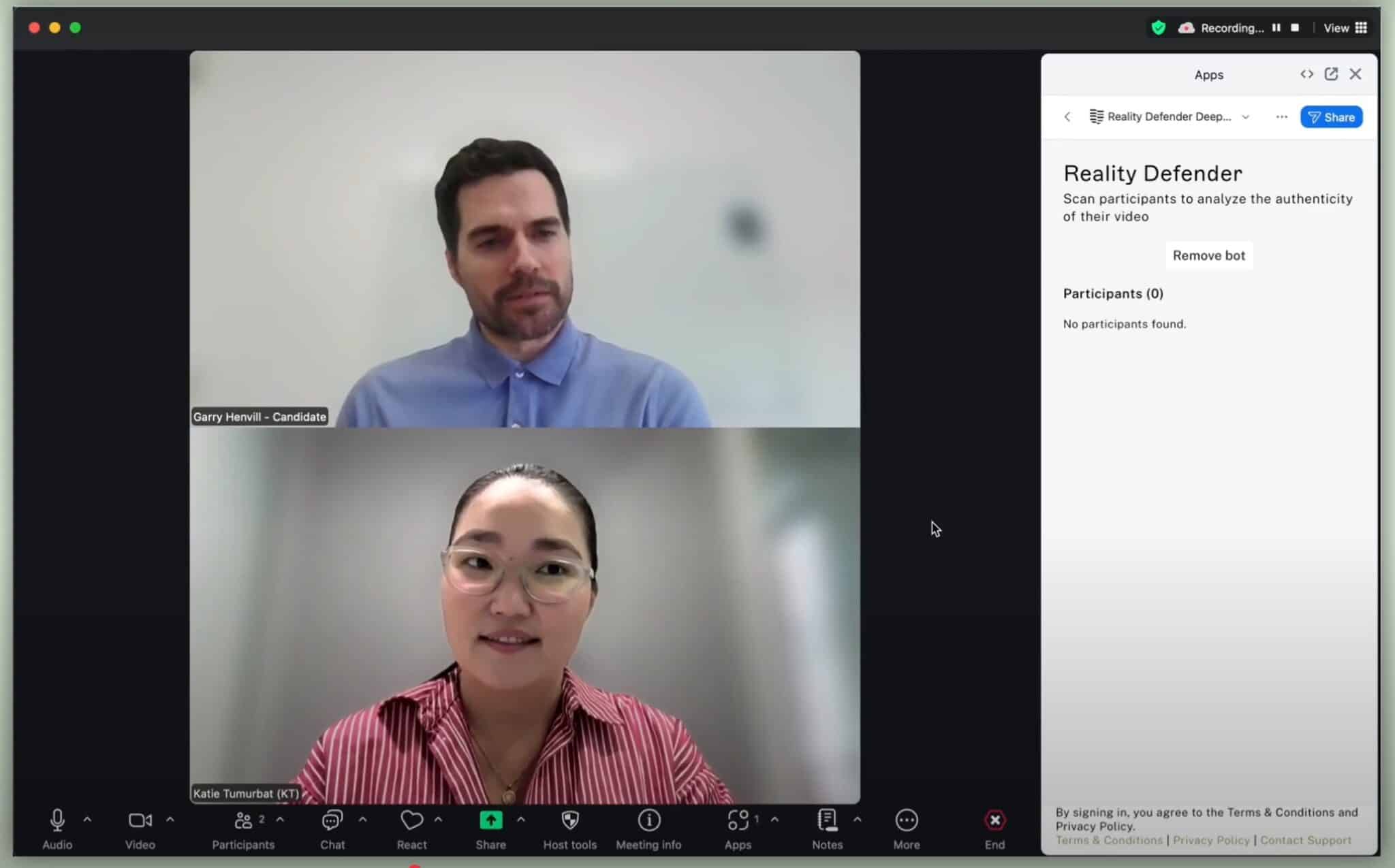
The rise of deepfake detection has become one of the most urgent topics for companies today. With AI making fake videos, audio clips, and images almost impossible to spot with the naked eye, enterprises are dealing with real threats that can cost millions, ruin reputations, and shake internal trust. In this detailed guide, we’ll cover everything from what deepfakes really are to why businesses are prime targets, how detection actually works, the best tools available right now, and practical steps to build strong defenses.
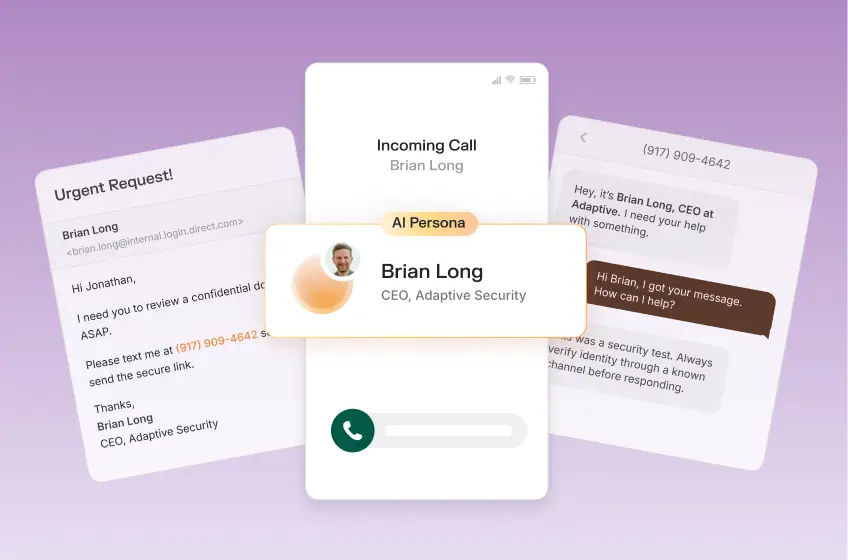
Deepfakes aren’t just a tech curiosity anymore—they’re actively used in scams, misinformation campaigns, and fraud attempts against companies. Finance teams get tricked into wiring money after seeing a fake video of their CEO. HR departments waste time on phony remote interviews. Brands watch false statements spread online from people who look and sound exactly like their executives.
Recent reports paint a worrying picture. Deepfake-related fraud in the US alone crossed the billion-dollar mark in 2025, with some estimates showing a sharp rise year over year. Surveys from early 2026 indicate that around 30% of large organizations worry their current identity checks could fail against advanced deepfakes. Contact centers in retail and banking report thousands of AI-generated voice attacks daily. One high-profile incident saw a company lose tens of millions after attackers used cloned voices and faces in a video conference to authorize transfers.
These examples show why deepfake detection needs to be a priority. It’s no longer enough to rely on “looks real” judgment—smart, layered verification is essential.

What Exactly Are Deepfakes?
Deepfakes are synthetic media created or manipulated with AI to convincingly show someone saying or doing things they never did. The term blends “deep learning” (the AI technique) with “fake.”
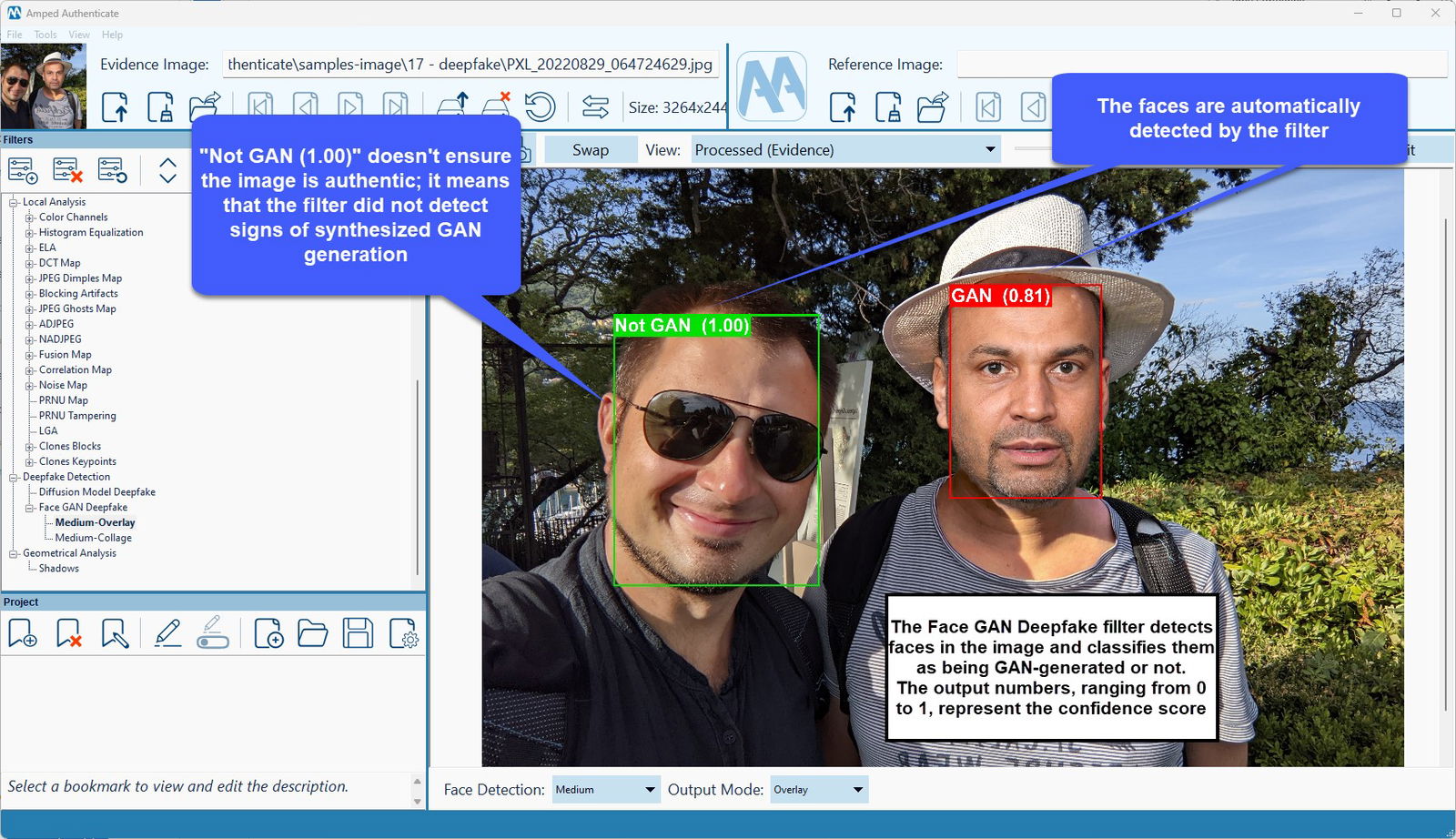
Most deepfakes rely on models like GANs (where one network creates fakes and another critiques them until they’re realistic) or newer diffusion-based systems. They can swap faces, clone voices from just a few seconds of audio, sync lips to new words, or generate fully artificial scenes.
Common types businesses encounter:
- Face swaps in videos
- Voice cloning for phone calls or meetings
- Lip-sync changes to alter spoken content
- Full-body or scene generation (less common but growing)
Voice deepfakes are particularly sneaky in audio-only interactions, while video ones dominate Zoom, Teams, or social media attacks.


Why Enterprises Are Prime Targets
Large organizations handle money, sensitive data, and public perception—perfect for attackers. A single convincing deepfake can bypass many controls.
Main risks:
- CEO fraud: Fake urgent video calls demanding wire transfers
- Employee phishing: Deepfake videos tricking staff into sharing credentials
- Brand sabotage: False executive statements damaging stock or customer trust
- Fake hires: Deepfake candidates acing remote interviews
- Legal/audit issues: Manipulated evidence in disputes or compliance reviews
Finance and customer service teams see the worst of it. Voice deepfakes spike in call centers, and video scams hit executive communications hard. Average losses per successful attack run into hundreds of thousands.
Without reliable deepfake detection, standard security like passwords or basic video checks falls short.


How Deepfake Detection Works
Effective detection uses a mix of tech, human oversight, and process changes. No tool catches 100%—the best setups combine several layers.
Common techniques:
- Visual checks: Unnatural eye blinks, lighting mismatches, skin texture issues
- Audio analysis: Odd breathing, pitch inconsistencies, noise artifacts
- Artifact hunting: Pixel patterns or “fingerprints” left by specific AI models
- Biological signals: Blood flow in skin (via color changes), realistic eye reflections
- Multimodal fusion: Cross-checking video + audio + context for mismatches
- Provenance tools: Watermarks or blockchain-style tracking for real content
AI detectors train on massive real vs. fake datasets and update as generators evolve.


Top Deepfake Detection Tools for Enterprises
Here are some strong options tailored for business use in 2026:
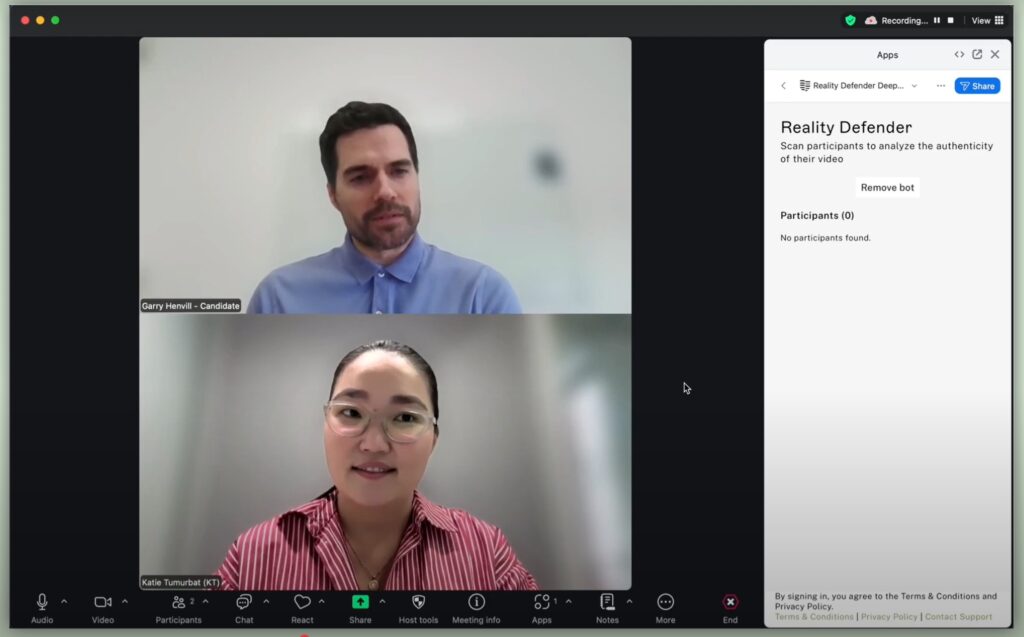
- Reality Defender: Real-time scanning for video calls and communications. Integrates well with platforms like Zoom.
- Incode Deepsight: High accuracy in identity verification with low false alarms.
- DuckDuckGoose AI: Forensic-level detection hitting 96-99% on real samples.
- Pindrop: Voice-focused, excellent for contact centers.
- CloudSEK: Monitors dark web and social for brand-targeted deepfakes.
Choose based on your needs—real-time for meetings, voice for calls, or broad monitoring for reputation.

For a deeper comparison, see this overview from CloudSEK: https://www.cloudsek.com/knowledge-base/best-ai-deepfake-detection-tools
Steps to Build Your Deepfake Protection Strategy
- Risk Mapping — Identify vulnerable spots like executive comms, payments, hiring.
- Layered Tech — Deploy auto-detection + human review for flags.
- Team Training — Show real examples; teach verification habits (e.g., call back on separate line).
- Policy Updates — Mandate extra checks for high-value actions.
- Monitoring & Response — Set alerts and have a deepfake-specific incident plan.
- Continuous Testing — Run fake attack simulations quarterly.
People + processes + tech together make the difference.
In the fast-moving world of AI threats, choosing the right deepfake detection tool for your enterprise can make a huge difference in stopping fraud, protecting your brand, and keeping operations smooth. As deepfakes get more convincing, companies need tools that deliver real-time alerts, high accuracy, easy integration, and low false positives—especially in high-stakes areas like video calls, contact centers, payments, and hiring.
Here, we’ll compare five of the top enterprise-focused deepfake detection solutions in 2026: Reality Defender, Sensity AI, DuckDuckGoose AI, Pindrop, and Incode Deepsight (often highlighted for identity verification). These stand out in reviews, benchmarks, and real-world use from sources like Gartner Peer Insights, CloudSEK rankings, and industry reports.
We’ll look at key factors: what they detect best, accuracy claims, real-time capabilities, integration ease, best use cases for enterprises, pricing approach (where known), and strengths/weaknesses.

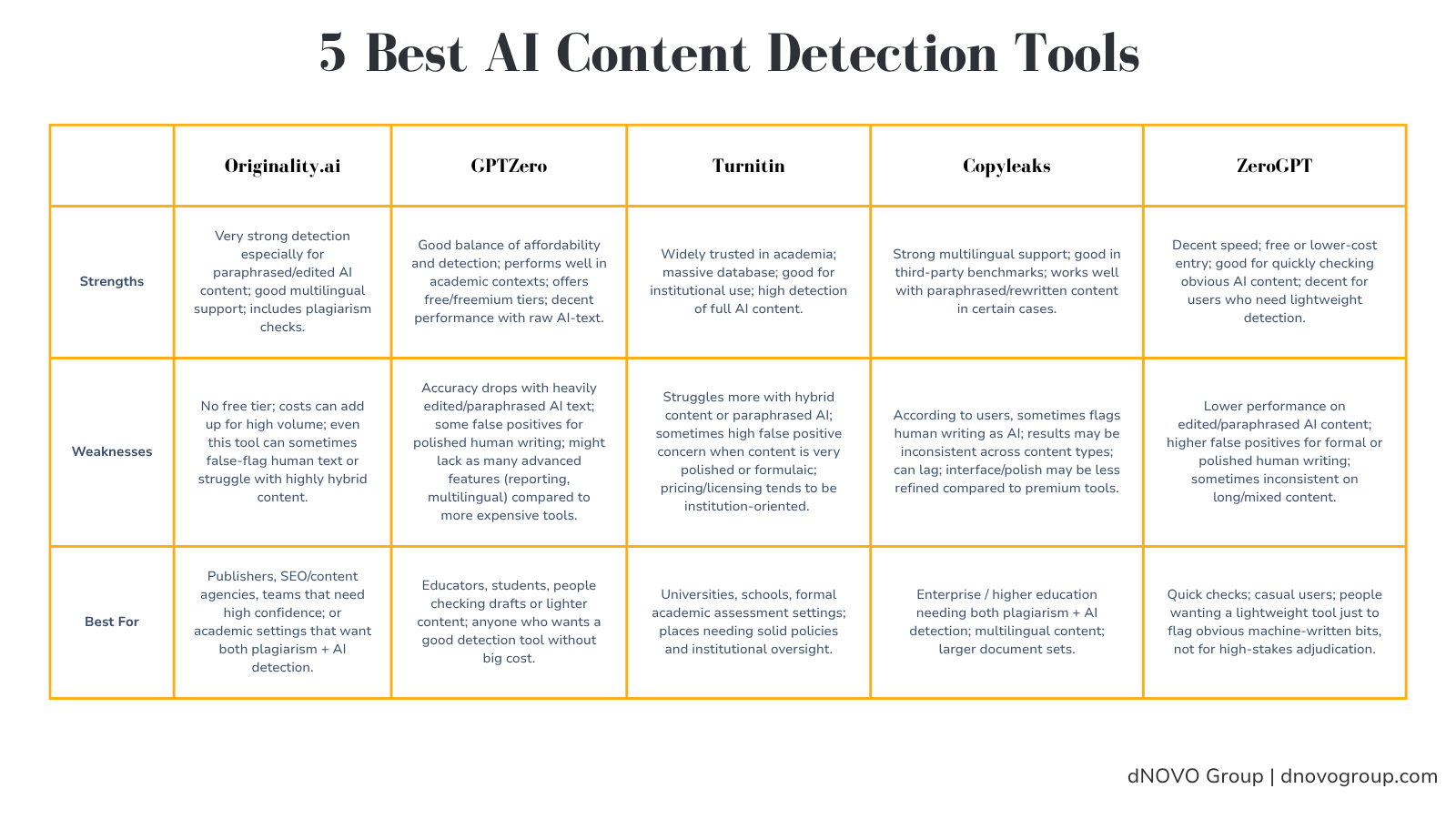
Quick Comparison Table
Many experts use tables like this to weigh options quickly. Based on recent 2026 overviews (e.g., CloudSEK, Microblink, TechTarget), here’s a summarized view:
- Reality Defender — Multimodal real-time leader
- Sensity AI — Strong in visual forensics and tracking
- DuckDuckGoose AI — Fast forensic multimodal detection
- Pindrop — Voice specialist for call centers
- Incode Deepsight — Identity-focused with liveness checks
Accuracy often hits 90-99% in controlled tests, but real-world drops with new generators—tools update frequently to stay ahead.
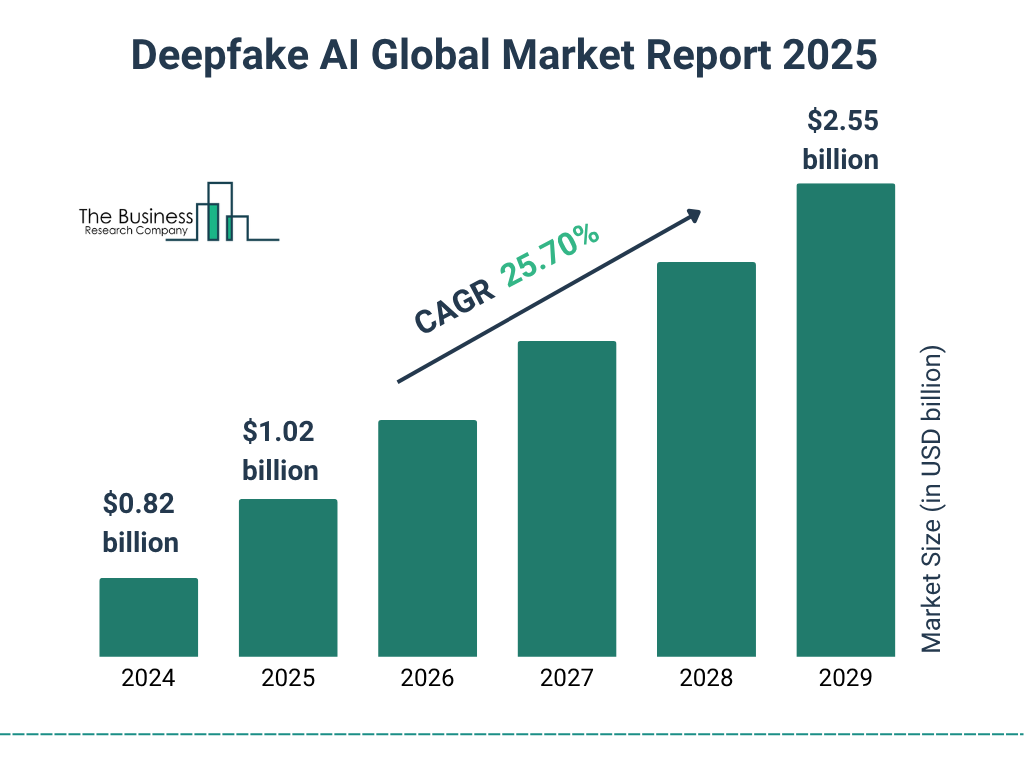
thebusinessresearchcompany.com
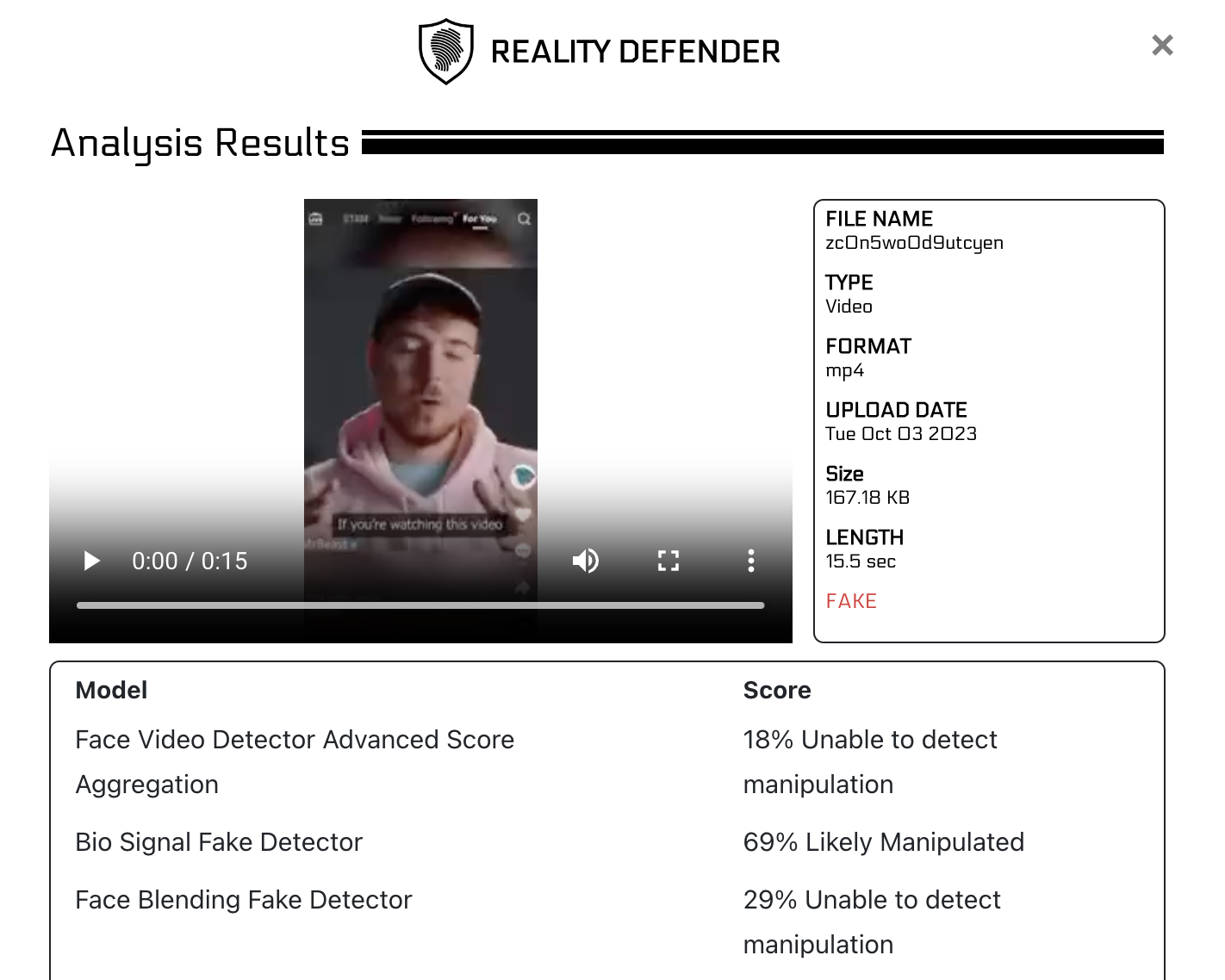
1. Reality Defender
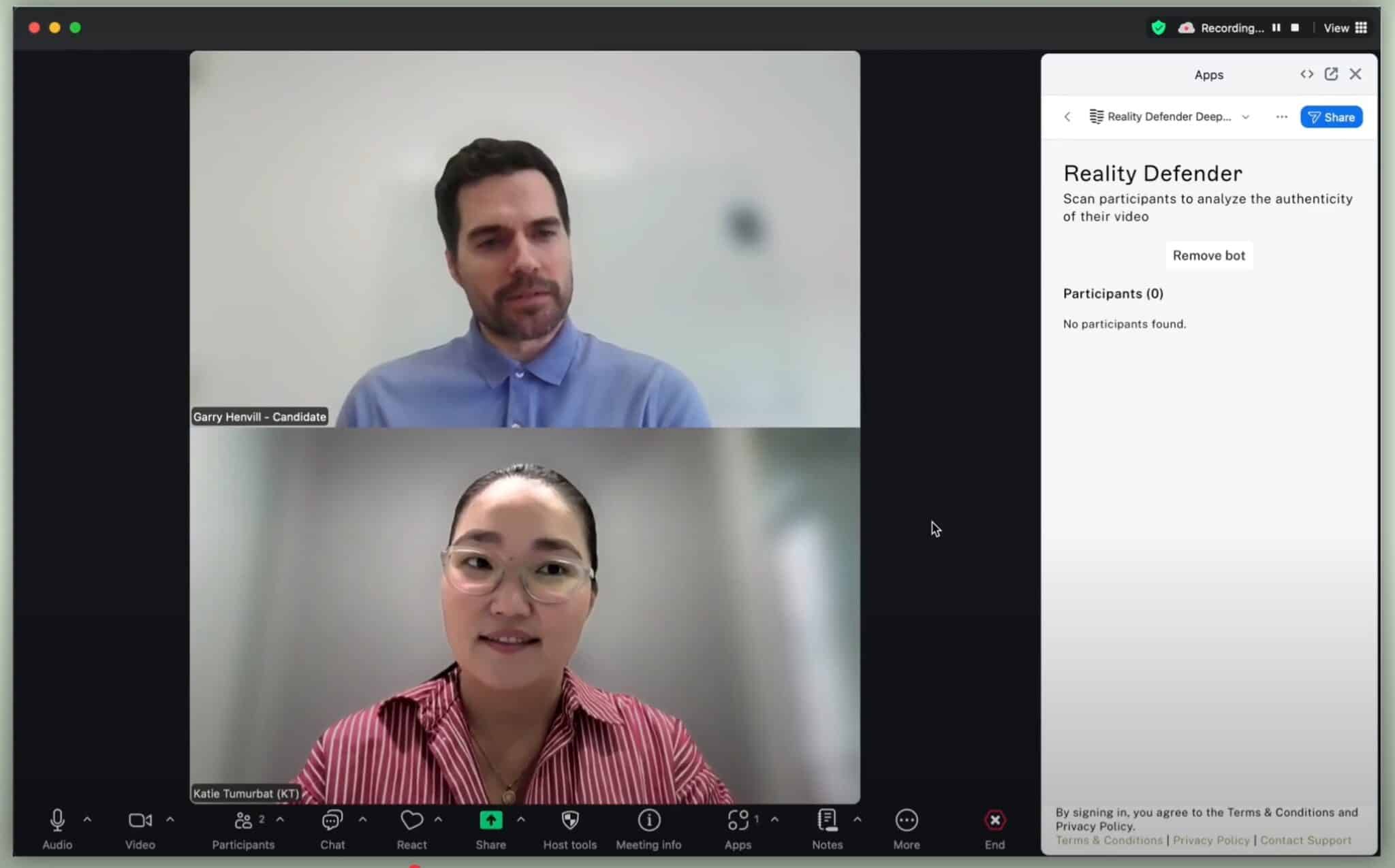
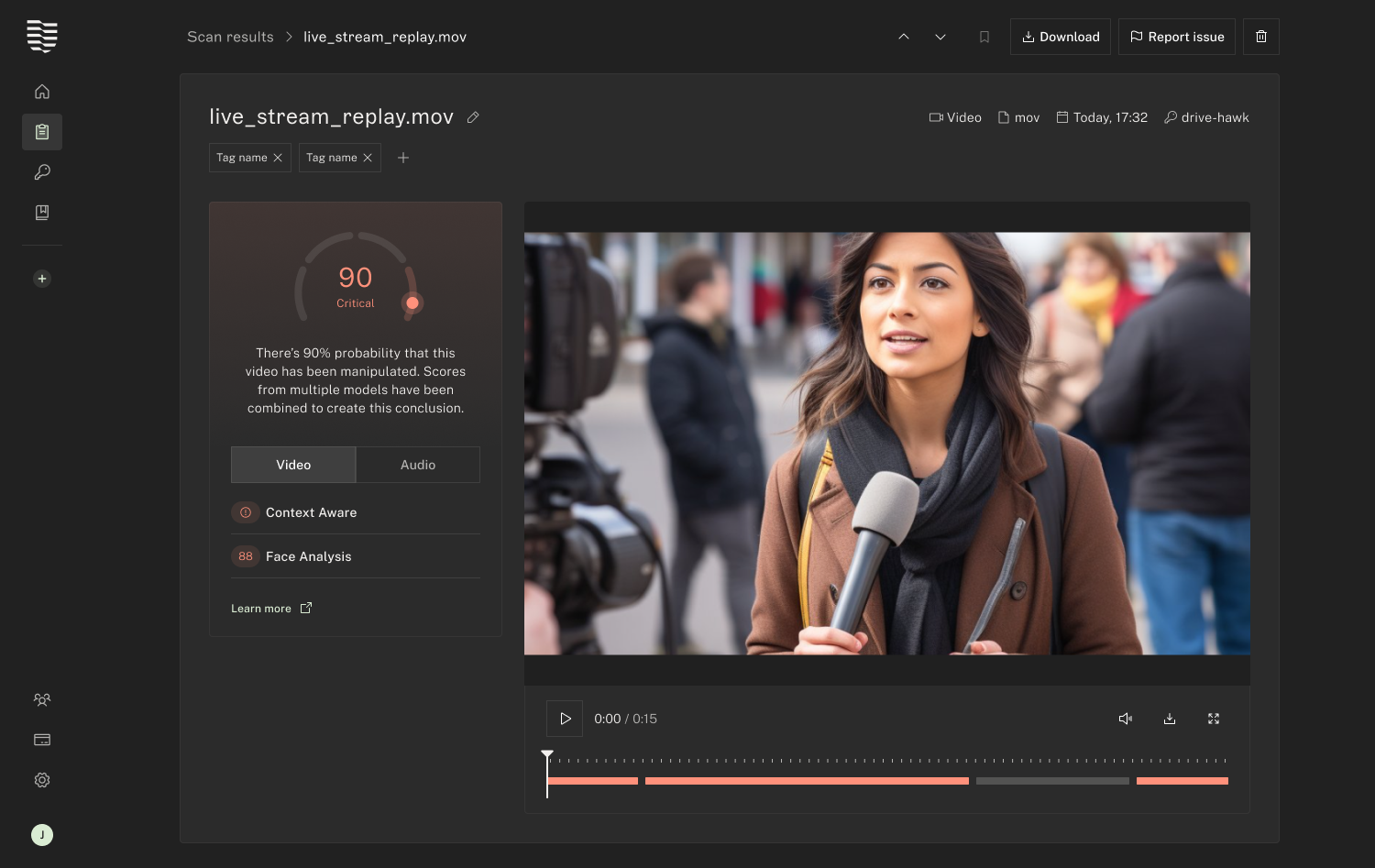
This platform shines for enterprises needing protection across live video calls (Zoom, Teams), uploads, and streams. It uses multimodal checks—video, audio, images—and provides authenticity scores with explainable results.
Key strengths:
- Real-time scanning during meetings to flag impersonations instantly.
- Low-latency API for blocking fakes in workflows.
- Covers voice cloning, face swaps, and even some text manipulation.
- Used by finance, government, and media teams for executive protection.
Accuracy & performance: Often ranked high (90%+ in multimodal benchmarks), with low false positives in operational settings.
Best for: Companies with lots of video conferencing or live comms where a fake CEO video could cost millions.
Integration & pricing: API-first, easy to plug into existing tools. Enterprise subscription (contact for quotes).
Drawbacks: Might need tuning for very new attack types.
See it in action here: https://www.realitydefender.com/
2. Sensity AI
Focused on visual threat intelligence, this tool excels at detecting manipulated images/videos and tracing where they spread (great for brand monitoring).
Key strengths:
- Forensic-level analysis with attribution (who created/spread it?).
- High accuracy on face swaps and synthetic content (claimed 95-98%).
- Interactive training modules for employee awareness.
- Monitors social media and dark web for campaigns targeting your brand.
Best for: Media companies, trust & safety teams, or enterprises worried about reputation damage from viral fakes.
Integration & pricing: Platform-based with API. Custom enterprise pricing.
Drawbacks: More forensics-heavy, so slightly slower for pure real-time blocking compared to others.
More details: https://sensity.ai/
3. DuckDuckGoose AI
This one emphasizes speed and multimodal detection (DeepDetector for video/images, Waver for audio, Phocus for docs).
Key strengths:
- Very fast analysis (<1 second claimed).
- High success rates (96-99% on real samples in tests).
- Good for live/recorded content across channels.
- Enterprise-grade with low false alarms.
Best for: Fraud teams needing quick checks in onboarding, payments, or compliance workflows.
Integration & pricing: API and platform options. Subscription-based for businesses.
Drawbacks: Less emphasis on long-term threat tracking compared to Sensity.
Check their suite: https://www.duckduckgoose.ai/
4. Pindrop
The go-to for voice deepfakes, especially in contact centers where audio scams explode.
Key strengths:
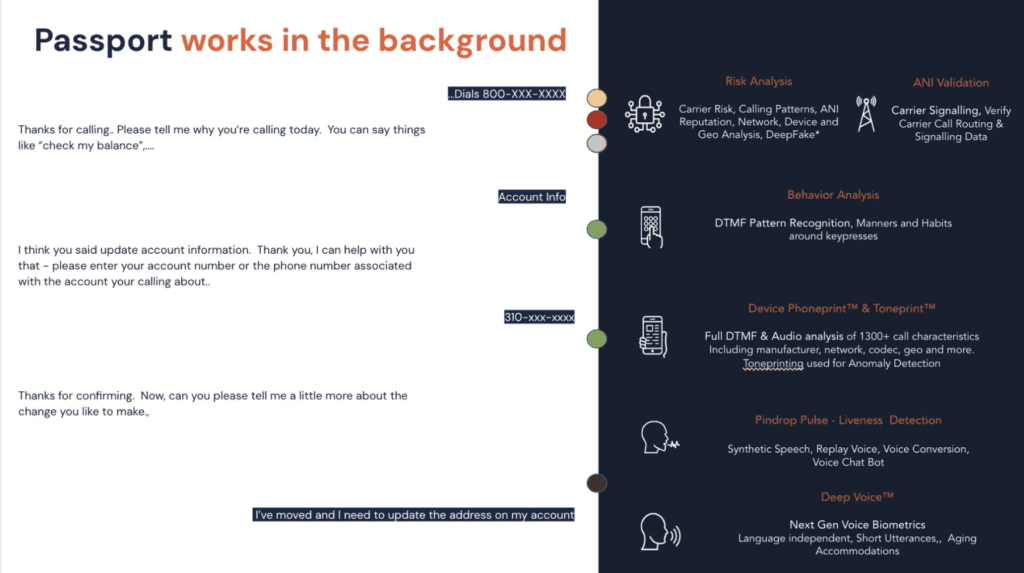
- Specialized in audio analysis (DeepVoice, Passport for call validation).
- Real-time detection of synthetic speech, replay attacks, voice cloning.
- Integrates with call routing and fraud systems.
- Proven in banking/retail with massive daily call volumes.
Best for: Customer service-heavy enterprises (banks, insurers) facing voice-based CEO fraud or account takeovers.
Integration & pricing: Strong in telecom/contact center stacks. Enterprise licensing.
Drawbacks: Primarily audio-focused—pair with video tools for full coverage.
Explore voice protection: https://www.pindrop.com/solution/deepfake-detection/
5. Incode Deepsight
Tied to identity verification, this stands out for liveness and biometric checks that catch presentation attacks including deepfakes.
Key strengths:
- Sub-second liveness detection with iris/face analysis.
- Low false positives in ID verification flows.
- Strong in fraud prevention during onboarding or transactions.
Best for: Finance, hiring, or any KYC-heavy process where fake identities via video are a risk.
Integration & pricing: API-friendly for apps/websites. Custom enterprise.
Drawbacks: More narrow on identity vs. broad media monitoring.
For more: Check comparisons like https://microblink.com/resources/blog/best-deepfake-detection-software
Which One Should Your Enterprise Choose?
- Pick Reality Defender if video meetings and executive impersonation are your biggest worries.
- Go with Sensity AI for brand/reputation monitoring and forensic needs.
- Choose DuckDuckGoose AI for fast, all-around checks in fraud workflows.
- Select Pindrop if voice calls/contact centers drive your risk.
- Opt for Incode Deepsight when tying detection to identity proofing.
Many enterprises layer 2+ tools (e.g., Pindrop for calls + Reality Defender for video) for better coverage. Test with pilots—most offer demos—and factor in your stack (e.g., Zoom integration, compliance reporting).
The deepfake landscape changes fast, so look for vendors with frequent model updates and threat intel feeds.
For a broader list including others like CloudSEK or Hive: https://www.cloudsek.com/knowledge-base/best-ai-deepfake-detection-tools
Stay ahead—strong deepfake detection isn’t just nice to have; it’s becoming table stakes for enterprise security in 2026.
Looking Ahead
Generators keep improving, so detection must too. Expect better real-time multimodal tools, industry standards for authenticity markers, and possibly new regulations requiring labels on AI content.
Companies that invest early will avoid the worst hits.
Final Thoughts
Deepfake detection is now a core part of enterprise security. The threats are real, the costs are high, and the window to act is closing. Start assessing risks, testing tools, and training teams today.
Your company’s trust, money, and future could depend on it.
Share this content:





Post Comment