Building Cyber Resilience

Building Cyber Resilience has become one of the most important priorities for businesses, governments, and individuals in today’s digital world. With cyber threats growing more sophisticated every year, it’s no longer enough to just try to stop attacks. Organizations need to prepare for the reality that some attacks will get through. That’s where Building Cyber Resilience comes in—it focuses on staying strong, bouncing back quickly, and keeping operations running even after an incident.
In this post, we’ll explore what cyber resilience really means, why it matters now more than ever, and practical steps to build it in your organization. Whether you’re running a small business, leading a team in a large company, or just looking to protect your personal data better, these ideas will help you create a stronger defense that goes beyond basic security.
What Is Cyber Resilience?
Cyber resilience is the ability of an organization (or individual) to anticipate cyber threats, withstand attacks when they happen, recover quickly, and adapt to become stronger over time. It’s different from traditional cybersecurity, which mainly aims to prevent breaches by building strong walls around systems.
Cybersecurity is like locking your doors and windows to keep intruders out. Building Cyber Resilience accepts that sometimes a window might break anyway, so you focus on having backups, quick repairs, and ways to keep living your life without major disruption.
According to frameworks like those from NIST (National Institute of Standards and Technology), cyber resilience includes anticipating risks, withstanding stresses from attacks, recovering essential functions, and adapting based on lessons learned. This shift happened because threats have evolved—hackers use AI, supply chain attacks, and social engineering that bypass even good defenses.
The key difference: Cybersecurity prevents. Cyber resilience endures and improves.
For more on the official NIST Cybersecurity Framework that supports resilience building, check out the NIST Cybersecurity Framework.
Why Building Cyber Resilience Matters in 2025 and Beyond
Cyber threats aren’t slowing down. Reports show cybercrime costs could hit massive numbers annually, with ransomware alone causing huge financial pain.
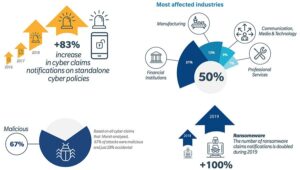
In recent years, the average cost of a ransomware attack has climbed significantly. For example, data from 2025 shows average ransomware claim costs exceeding $1 million in many cases, with some sectors like healthcare facing even higher hits. Ransomware often accounts for a large portion of losses, even as some organizations get better at preventing claims through stronger basics.
Global projections estimate ransomware damage costs reaching tens of billions each year, with daily impacts in the millions. Attacks doubled in some metrics over recent years, and data theft (without encryption) became more common than full encryption in extortion cases.

These numbers highlight a harsh truth: Breaches happen. When they do, the real damage comes from downtime, lost trust, regulatory fines, and recovery expenses. Building Cyber Resilience minimizes that damage by ensuring you can detect issues fast, respond effectively, and get back to normal with less loss.
Businesses that invest in resilience see benefits like:
- Faster recovery times
- Lower overall costs from incidents
- Stronger trust from customers and partners
- Better compliance with regulations
In short, resilience turns a potential disaster into a manageable setback.
The Core Pillars of Building Cyber Resilience
Experts often break cyber resilience into key pillars or goals. One common model includes four main ones: anticipate, withstand, recover, and adapt.
- Anticipate — Prepare by understanding risks and planning ahead.
- Withstand — Hold up under attack with strong protections.
- Recover — Get back online quickly with solid plans.
- Adapt — Learn and improve after every event.
Other frameworks, like those from the World Economic Forum or ISACA, talk about seven pillars or categories: leadership, governance, people, processes, technical systems, crisis management, and ecosystem engagement.
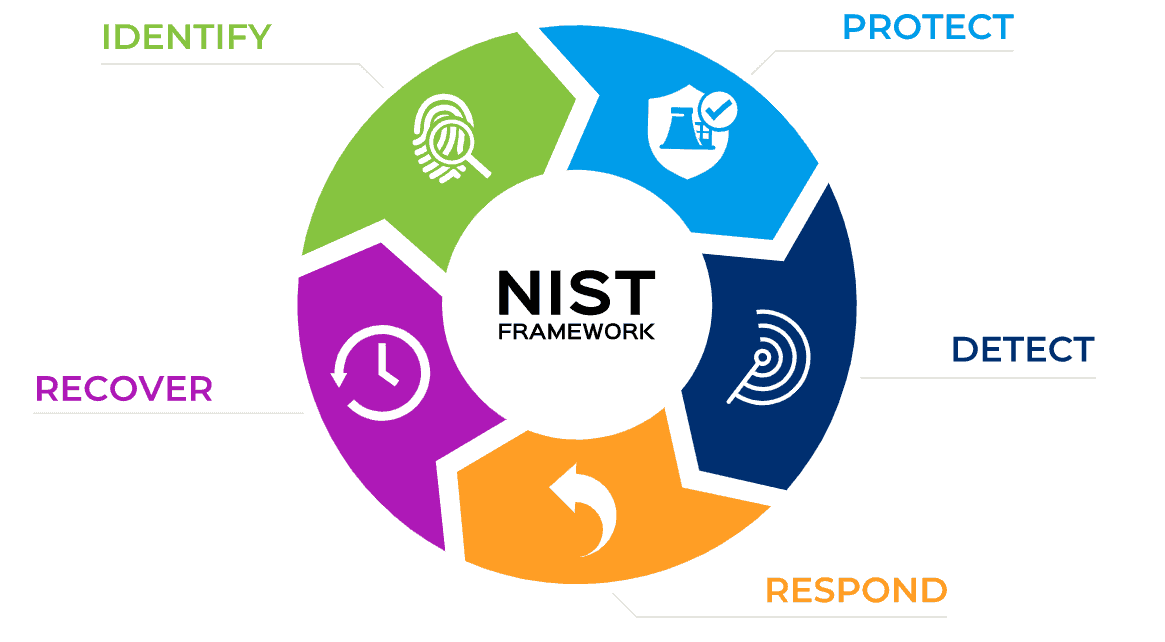
The NIST CSF provides a practical structure with functions: Identify, Protect, Detect, Respond, Recover, and Govern (added in recent updates). This risk-based approach helps any size organization build resilience.
Let’s dive into how to apply these in real life.
Step 1: Start with Risk Assessment and Identification
You can’t protect what you don’t know. The first step in Building Cyber Resilience is mapping your assets, risks, and vulnerabilities.
- List critical assets: customer data, financial records, intellectual property, operational systems.
- Identify threats: ransomware, phishing, insider risks, supply chain issues.
- Assess impact: What happens if this system goes down for a day? A week?
Use tools like vulnerability scanners or third-party audits. Many organizations start with a baseline assessment to see where they stand.
Regular risk assessments keep this current as your business changes—new software, remote work, cloud adoption.
For guidance, the CISA Cybersecurity Best Practices offer free resources to help evaluate and strengthen your setup.
(Internal link suggestion: If you have a related post on risk assessment, link here like: Learn more about conducting effective risk assessments in our guide to cybersecurity basics.)
Step 2: Build Strong Protection Layers
While resilience goes beyond prevention, solid protections are still essential. Think defense in depth.
- Implement multi-factor authentication (MFA) everywhere possible.
- Keep software patched and updated.
- Use endpoint protection, firewalls, and secure email gateways.
- Adopt zero-trust principles: verify every access, no matter the source.
- Segment networks to limit spread if something gets in.
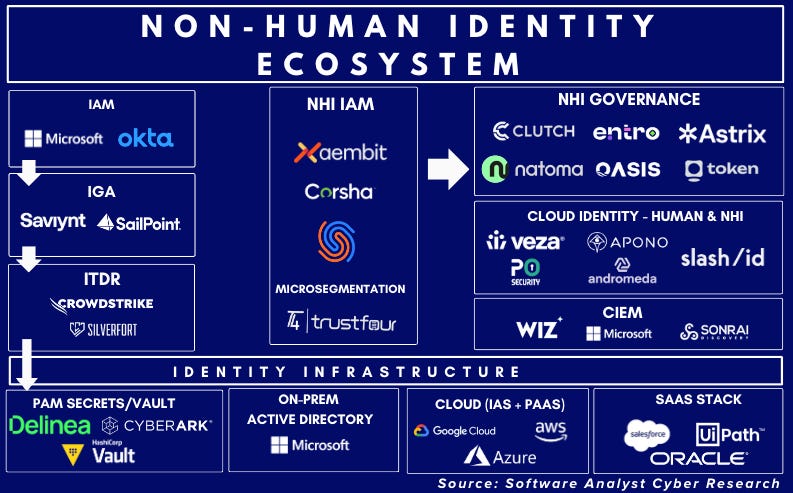
Microsegmentation, for example, isolates parts of your network so an attack in one area doesn’t take everything down.
Strong basics like these reduce the chance of successful attacks and make resilience easier when incidents occur.
Step 3: Focus on Detection and Monitoring
You need to spot problems early. Good detection turns hours or days of damage into minutes.
- Set up continuous monitoring for unusual activity.
- Use security information and event management (SIEM) tools.
- Watch for signs like slow performance, unauthorized logins, or data exfiltration.
AI and machine learning help here by spotting patterns humans might miss.
The goal: detect threats before they cause major harm.
Step 4: Develop a Solid Incident Response Plan
No resilience strategy is complete without a clear response plan.
Your plan should cover:
- Who does what during an incident (roles and contacts).
- Steps to contain the breach.
- Communication protocols (internal and external).
- Legal and regulatory reporting requirements.
Test the plan regularly with tabletop exercises or simulations. Many organizations keep an incident response retainer with experts for extra support during big events.
A good plan shortens downtime dramatically.
For templates and best practices, refer to resources like those from CISA.
Step 5: Prioritize Backup and Recovery
Backups are the heart of recovery.
- Follow the 3-2-1 rule: three copies, two media types, one offsite/air-gapped.
- Test restores regularly—don’t assume backups work until you try.
- Use immutable backups that can’t be altered by ransomware.
In ransomware cases, clean backups let you recover without paying. Organizations that test and maintain good backups often recover fully within days or a week.
Combine this with disaster recovery plans that outline how to switch to backups or alternate systems.
Step 6: Invest in People and Culture
Humans are often the weakest (and strongest) link.
- Run regular security awareness training.
- Teach employees to spot phishing and report suspicious activity.
- Build a culture where security is everyone’s job, not just IT’s.
Phishing and social engineering drive many attacks. Well-trained staff can stop threats early.
Leadership buy-in is crucial—when executives prioritize resilience, the whole organization follows.
Step 7: Manage Your Supply Chain and Ecosystem
Attacks often come through vendors or partners.
- Vet third parties for security practices.
- Include cyber clauses in contracts.
- Monitor shared access and data flows.
Supply chain risks grew in recent years, with one weak link affecting many.
Frameworks like NIST help assess and manage these external dependencies.
Step 8: Adopt Frameworks and Continuous Improvement
Use established frameworks to guide your efforts.
- NIST CSF for flexible, risk-based management.
- ISO 27001 for structured information security.
- CISA resources for practical tools.
Review and update your approach regularly. After incidents (or near-misses), conduct lessons-learned sessions to adapt.
This continuous cycle makes your resilience stronger over time.
Common Challenges in Building Cyber Resilience
It’s not always easy. Budget limits, skill shortages, and rapid tech changes create hurdles.
Many organizations struggle with:
- Keeping up with patches.
- Balancing security with usability.
- Measuring resilience ROI.
Start small—focus on high-impact areas like backups and training—then scale up.
Real-World Examples of Cyber Resilience in Action
Consider how some sectors handle attacks. Healthcare organizations face life-critical pressures but build resilience with isolated systems and rapid failover.
Companies that avoided paying ransoms by relying on tested backups saved millions and maintained trust.
These stories show that preparation pays off.
Tools and Resources to Help You Get Started
- Free assessments from CISA.
- NIST publications.
- Community forums and threat intelligence sharing.
Explore more at Microsoft Security Insider for trends and recommendations.
(Internal link: Check our post on choosing cybersecurity tools for small businesses.)
Conclusion: Make Building Cyber Resilience a Priority Today
Building Cyber Resilience isn’t a one-time project—it’s an ongoing commitment to staying ahead in a risky digital landscape.
By anticipating threats, strengthening defenses, planning responses, recovering smartly, and adapting constantly, you protect not just data but your entire operation’s future.
Start with a risk assessment, strengthen basics, test your plans, and involve everyone. The effort pays off in fewer disruptions, lower costs, and greater confidence.
In a world where attacks are inevitable, resilience is what separates survivors from those who struggle.
What steps will you take first to build your cyber resilience? Share in the comments below—I’d love to hear your thoughts.
Share this content:







Post Comment