Cybersecurity Awareness Training That Actually Works

In today’s connected world, one wrong click can open the door to serious trouble. Hackers don’t always need fancy tech—they often just need someone to fall for a simple trick. That’s why strong Cybersecurity Awareness Training matters so much for every business, big or small.
Recent reports show the human side of things still causes most problems. The 2025 Verizon Data Breach Investigations Report found the human element in 68% of breaches. IBM’s Cost of a Data Breach Report 2025 put the average cost at $4.44 million. Many of those losses started with regular employees who just weren’t sure what to watch for.
The good news? You can fix this. Effective Cybersecurity Awareness Training changes how people think and act every day. It turns “I didn’t know” into “I spotted that and reported it right away.” This guide walks you through building a program that sticks, delivers real results, and keeps your team sharp—no boring slide decks or check-the-box sessions that everyone forgets by lunch.
Here’s what we’ll cover:
- Why most programs fail (and the fix)
- Core pieces of training that actually works
- Step-by-step setup for your organization
- Must-cover topics with practical examples
- Real company success stories
- How to measure real improvement
- Mistakes to skip
- What’s coming next in 2026 and beyond
- Answers to common questions
Let’s get started.
Why Most Cybersecurity Awareness Training Programs Fall Short
Walk into many offices and you’ll hear the same story: “We did the annual training last month.” Everyone sat through a video or PowerPoint, answered a quiz, and moved on. Six months later, the same mistakes happen again.
The numbers don’t lie. Traditional once-a-year sessions reach low retention. People remember less than 20% of what they hear in passive formats after a week. Attackers evolve fast—new phishing styles, AI-generated voice calls, sneaky QR code tricks. Annual training can’t keep up.
Another big issue: one-size-fits-all content. A warehouse worker faces different risks than the finance team or remote sales staff. Generic modules feel irrelevant, so engagement drops. Employees check their phones or click “next” without thinking.
Many programs focus only on “awareness,” not behavior change. Knowing a phishing email looks suspicious differs from actually reporting one when it arrives at 4:55 p.m. on a Friday. Without practice and reinforcement, knowledge stays in the head, not the hands.
Measurement often stops at completion rates. “95% finished the module” sounds great on a report but says nothing about whether clicks on fake phishing tests dropped or real incidents fell.
Leadership buy-in makes or breaks it too. If the CEO skips the session or treats security as “IT’s problem,” the message lands flat. Employees follow what leaders do, not just what they say.
The result? Billions lost yearly to preventable mistakes. But companies that switch to ongoing, engaging, measured Cybersecurity Awareness Training see different outcomes—fewer incidents, faster reporting, and a real security culture.
Image credit: Employees in a cybersecurity training session – from Security Magazine. Use similar stock photos in your WordPress post with proper attribution.
What Makes Cybersecurity Awareness Training Actually Effective
Good Cybersecurity Awareness Training follows a few proven rules that turn information into habits.
Make it ongoing, not one-and-done. Short, frequent sessions work far better than marathon yearly ones. Think 5-10 minute modules every couple of weeks. This keeps skills fresh and matches how threats keep changing.
Make it interactive and fun. Games, simulations, and challenges boost engagement dramatically. Leaderboards, points, and badges turn learning into something people look forward to instead of dread. Hoxhunt and similar platforms show reporting rates jump when training feels like a game.
Tailor it to real roles and risks. Customize examples. The marketing team might see fake invoice scams. IT staff focus on privilege escalation tricks. Relevance helps the lessons land.
Focus on behavior, not just knowledge. Use the “Head, Heart, Hands” approach: explain why it matters (head), connect emotionally with real stories (heart), and give clear actions to practice (hands).
Include realistic simulations. Safe phishing tests, simulated vishing calls, and smishing messages build muscle memory. When the real thing hits, people respond automatically.
Measure what matters. Track phish-prone percentage, reporting speed, and actual incident reduction. Share wins with the whole team to build momentum.
Get visible leadership support. When executives join simulations and share their own “I almost clicked” stories, credibility skyrockets.
Use free and paid resources smartly. Start with government tools before buying big platforms. Blend them for best results.
Follow these and your Cybersecurity Awareness Training stops being a checkbox and starts becoming your strongest defense layer.
Step-by-Step Guide to Building Your Cybersecurity Awareness Training Program
Ready to build something that works? Follow these practical steps.
Step 1: Get leadership on board. Schedule a short meeting with executives. Show them the latest breach stats and potential cost to your company. Ask for their personal commitment to participate visibly.
Step 2: Assess your current state. Run a quick baseline phishing simulation and survey. Ask “How confident are you spotting suspicious requests?” and test real behaviors. This gives you a starting number to improve from.
Step 3: Define clear goals. Examples: Reduce phish-prone rate from 25% to under 5% in 12 months. Achieve 80% of staff reporting suspicious messages within 24 hours. Cut security-related incidents by 50%.
Step 4: Choose your topics and format. Cover the essentials we’ll list later. Mix short videos, quick quizzes, hands-on simulations, and monthly challenges. Keep most sessions under 10 minutes.
Step 5: Pick supporting tools. Free options include CISA’s cybersecurity training exercises. Paid platforms like KnowBe4, Hoxhunt, or Proofpoint handle simulations automatically. Many offer free trials—test two or three.
Step 6: Create a rollout plan. Start with a fun launch event. Then schedule regular cadence: weekly micro-lessons, monthly simulations, quarterly deep dives. Use email, intranet, and team meetings to remind people.
Step 7: Train the trainers. Give managers simple scripts to reinforce messages in their teams. Make security part of regular one-on-ones.
Step 8: Launch and monitor. Run your first simulation right away. Celebrate early reporters publicly (without naming names if they prefer). Adjust based on what gets the best response.
Step 9: Review and improve quarterly. Look at metrics. Ask for feedback. Update content for new threats like AI deepfakes or evolving ransomware tactics.
Step 10: Celebrate wins. Share stories: “Last month our team spotted and stopped 47 suspicious emails—that’s 47 potential incidents avoided!” This builds pride and keeps momentum high.
Follow this roadmap and your program will feel professional yet approachable.

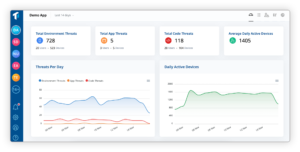
Image credit: Gamified cybersecurity training dashboard example – from Hoxhunt. Great visual for showing engagement features.
Must-Cover Topics in Strong Cybersecurity Awareness Training
Effective programs hit these core areas with depth and practice.
Phishing and Social Engineering This tops the list for a reason—phishing appears in 16% of breaches per Verizon 2025. Teach red flags: unexpected urgency, strange sender domains, requests for passwords or payments, poor grammar mixed with perfect branding. Run monthly simulated campaigns across email, SMS, and voice. Celebrate reporters. Include real-world stories like the MGM Resorts attack that started with a simple vishing call.
Password and Authentication Best Practices Weak or reused passwords still open many doors. Show how password managers work. Teach creating long passphrases (not “Password123!”). Push multi-factor authentication (MFA) everywhere possible. Explain MFA fatigue attacks and why “approve” should never be the default response. Include a hands-on exercise setting up authenticator apps.
Device and Physical Security Laptops left open in coffee shops, USB drives picked up in parking lots, tailgating into secure areas—these everyday slips cause real damage. Cover locking screens, never leaving devices unattended, reporting lost equipment immediately, and clean desk policies.
Safe Email and Web Habits Hover before clicking. Check URLs carefully. Avoid public Wi-Fi for sensitive work (or use VPN). Recognize malicious attachments and links. Teach verifying requests through a second channel before acting.
Cloud and Remote Work Security With hybrid setups common, cover secure file sharing, recognizing fake “IT support” requests, and home network basics. Many breaches now hit through misconfigured cloud storage.
Social Media and Personal Device Risks Oversharing can help attackers build spear-phishing profiles. Teach privacy settings and why mixing personal and work accounts creates danger.
Reporting and Incident Response Make reporting dead simple—one click button in email, dedicated Slack channel, or hotline. Remove fear of punishment for honest mistakes. Walk through what happens after a report.
Emerging Threats: AI, Deepfakes, and Ransomware 2026 brings more AI-generated content. Train people to spot unnatural voice patterns, video glitches in calls, or suspicious urgency from “known” contacts. Explain basic ransomware response: disconnect, don’t pay, report.
Spend time on each with examples, quizzes, and practice. Role-specific versions make everything more powerful.

Image credit: Example of a suspicious phishing-style alert screen – illustrative from Malwarebytes resources. Use for visual training examples.
Real Companies That Transformed Their Security Culture
Proof comes from real results.
Qualcomm used Hoxhunt’s gamified approach on their 1,000 highest-risk employees. They turned the biggest problem group into role models. Overall phishing reporting soared and the company expanded the program company-wide, earning a CSO50 award.
A large chemical company (LyondellBasell) saw 6.5 times more threat reporting after switching to engaging simulations. Repeat clickers became resilient defenders.
AES Corporation reported 5 times higher employee engagement compared to old tools. More people actively participated instead of just completing modules to tick a box.
Smaller organizations see similar wins. One mid-size retailer cut successful phishing incidents by 85% in six months with regular short training and simulations.
These examples share common threads: ongoing practice, gamification or interactivity, leadership involvement, and clear metrics. Your organization can achieve the same.
How to Measure If Your Cybersecurity Awareness Training Is Working
Completion rates alone don’t tell the story. Track these instead:
- Phish-prone percentage — What % click or enter data in safe tests? Aim for steady drops.
- Reporting rate — How many suspicious items get reported? Higher is better.
- Time to report — Faster means better instincts.
- Actual incidents — Track security events tied to human action.
- Employee feedback — Quick pulse surveys: “Do you feel more confident?”
- Simulation performance trends — Improvement over time by department.
- ROI calculations — Compare training cost to avoided breach expenses.
Share dashboards monthly. Celebrate when numbers move in the right direction. If something stalls, adjust content or delivery fast.
Tools inside platforms like KnowBe4 or Hoxhunt provide these metrics automatically. Free options include simple spreadsheets and manual simulation tracking at first.
Common Mistakes That Kill Cybersecurity Awareness Training Programs
Avoid these pitfalls:
- Treating it as a one-time compliance exercise
- Using outdated or irrelevant examples
- No follow-up after initial training
- Punishing people who report honestly
- Making sessions too long or technical
- Ignoring remote or shift workers
- No leadership modeling good behavior
- Forgetting to update for new threats
Spot these early and correct course. Small fixes often deliver big gains.
Image credit: VR cybersecurity training simulation – from Security Magazine. Shows emerging tech in action.
The Future of Cybersecurity Awareness Training in 2026 and Beyond
The field keeps evolving fast. Expect these trends:
AI will personalize training in real time—adapting difficulty and topics based on each person’s performance and role. Simulations will include deepfake voice and video calls so people practice spotting them safely.
Short “snackable” content (2-5 minutes) will dominate. Micro-learning fits busy schedules and improves retention.
Immersive VR and AR scenarios will let employees “experience” breaches in safe virtual environments. Some companies already test this for high-risk roles.
Behavioral science integration will grow. Training will use nudges, habit formation techniques, and emotional storytelling more deliberately.
Integration with daily tools will improve—training delivered inside Microsoft Teams, email clients, or Slack at the exact moment someone faces a risky decision.
GenAI-specific modules will become standard as employees use tools like ChatGPT for work and need guidance on safe practices.
Organizations that treat Cybersecurity Awareness Training as a continuous cultural investment—not a yearly checkbox—will stay ahead.
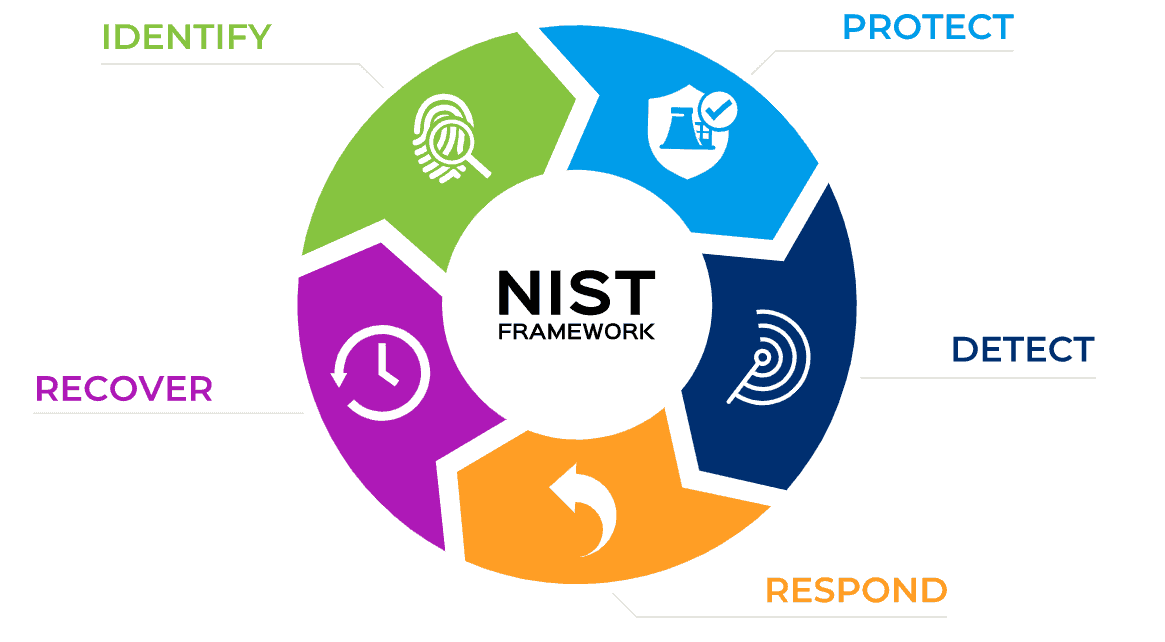
For official guidance, check NIST SP 800-50 on building security awareness programs and CISA’s cybersecurity training resources.
Conclusion: Start Building Better Cybersecurity Awareness Training Today
Strong Cybersecurity Awareness Training protects your people, data, and bottom line. It turns potential weak links into your first and best line of defense.
You don’t need a huge budget or perfect technology to begin. Start small: run one engaging simulation this month, celebrate the reporters, and build from there. Use free CISA materials while you evaluate platforms.
Every organization can create training that actually works. The companies seeing the best results treat security as everyone’s responsibility and make learning practical, relevant, and even fun.
Your team is capable. Give them the right Cybersecurity Awareness Training and watch confidence—and security—grow.
Ready to take the first step? Download a free phishing simulation template or review your current program against the checklist above. The threats won’t wait. Neither should your training.
Internal resources to explore next:
- How to Spot and Report Phishing Attempts
- Setting Up Multi-Factor Authentication the Easy Way
- Password Manager Comparison and Recommendations
- What to Do If You Click a Malicious Link
External resources:
- CISA Cybersecurity Best Practices
- Verizon 2025 Data Breach Investigations Report
- IBM Cost of a Data Breach 2025
- SANS Security Awareness Resources
Frequently Asked Questions About Cybersecurity Awareness Training
How often should we run Cybersecurity Awareness Training? Short sessions every 1-2 weeks plus monthly simulations work best. Quarterly deep dives keep momentum.
How much does good training cost? Free government resources get you started. Full platforms range from a few dollars per user per year to enterprise custom pricing. Many offer ROI within months through prevented incidents.
Can small businesses do effective training? Absolutely. Start with free CISA kits and simple email simulations. Focus on the basics and scale as you grow.
What if employees resist training? Make it relevant and fun. Share real stories that could affect their own jobs or personal lives. Celebrate participation instead of mandating dry compliance.
How do we handle employees who keep falling for tests? Use it as a coaching opportunity, not punishment. Extra short personalized modules often help without embarrassment.
Is gamification really necessary? It dramatically boosts engagement and retention for most groups. Even simple points systems work wonders.
How do we include remote and hybrid workers? Digital platforms handle this perfectly. Add specific modules on home network security and travel risks.
What role does AI play in modern training? AI creates personalized paths, generates fresh simulations, and analyzes behavior patterns to predict and prevent risks before they happen.
Share this content:




Post Comment