Cybersecurity Career Guide 2026

The world runs on technology, and with every click, swipe, and online transaction, cyber threats grow smarter and faster. If you’re thinking about a stable, rewarding career that pays well and makes a real difference, this Cybersecurity Career Guide is for you. In 2026, cybersecurity isn’t just “important”—it’s essential. Companies, governments, and everyday people rely on experts to keep data safe from hackers, ransomware, and sophisticated attacks.
Demand keeps climbing. The U.S. Bureau of Labor Statistics projects 29% growth for information security analysts through 2034—much faster than average. Globally, the talent shortage sits around 4 million open roles. That means strong job security, excellent pay, and plenty of room to advance. Whether you’re starting from scratch, switching from IT, or already in the field, this guide breaks down everything in simple terms: the best-paying jobs, must-have certifications, key skills, step-by-step paths, and what the future holds.

(Image credit: Cybersecurity professional working in a modern office – Lighthouse IT)
By the end, you’ll know exactly where to focus your time and money to land a high-paying role. Let’s get started.
Why Choose a Cybersecurity Career in 2026?
Cyber attacks hit the headlines almost daily. From hospitals losing patient records to banks facing ransomware, the cost of weak security runs into billions. Organizations now invest heavily in protection, creating thousands of new jobs every year.
Here’s what makes this field exciting right now:
- High salaries from day one: Entry-level roles often start above $70,000 in the US (or ₹5-8 lakhs in India for freshers with good skills).
- Remote and hybrid options: Many positions let you work from anywhere with just a laptop and reliable internet.
- Continuous learning: No two days are the same. You’ll tackle new threats, test cutting-edge tools, and stay ahead of attackers.
- Real impact: You protect people’s privacy, help businesses stay running, and sometimes even stop national-level threats.
Salaries have risen 7-10% year-over-year in recent times. Tech hubs like San Francisco, New York, and Bangalore pay top dollar, but remote roles from smaller cities are catching up fast.
If you enjoy problem-solving, staying curious, and working with technology, cybersecurity fits perfectly. And the best part? You don’t always need a four-year degree. Many professionals start with certifications and hands-on practice.
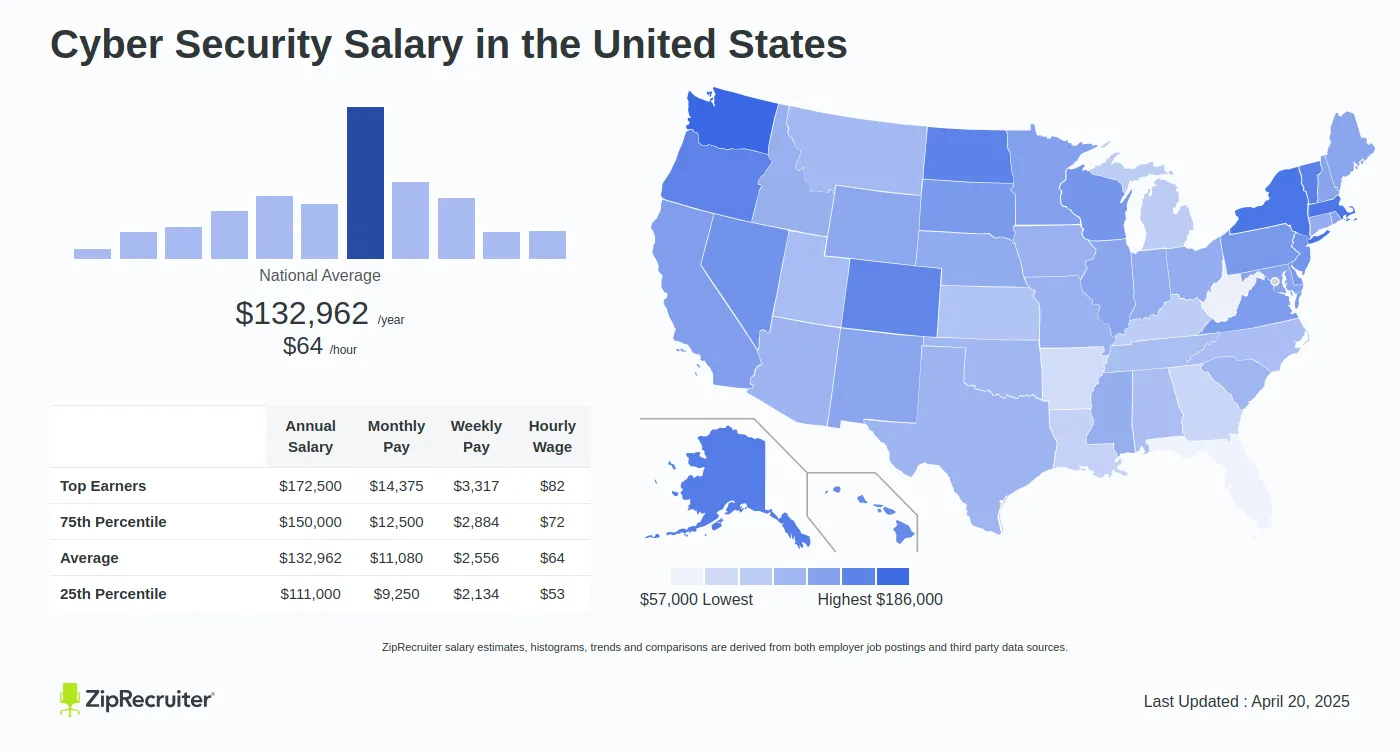
(Image credit: Cyber Security Salary Chart in the United States – ZipRecruiter, January 2026 data)
Highest-Paying Cybersecurity Jobs in 2026
Here are the top roles that consistently top salary lists. Salaries below are US medians or averages for 2026 (source: industry reports from Programs.com, EC-Council, Motion Recruitment). Expect 15-30% less in India or other markets, but growth is strong everywhere. I’ve included what the job actually involves, who it suits, and how to qualify.
1. Chief Information Security Officer (CISO)
Median Salary: $220,000 – $420,000+ (top earners hit $286K+)
The CISO leads the entire security program for a company. You report to the CEO or board, set strategy, manage big teams, and make sure the business stays compliant with laws like GDPR or HIPAA.
A typical day might include meeting executives, reviewing threat reports, approving new tools, and preparing for audits. When a breach happens, you’re the one explaining it to the board.
This role suits experienced leaders who understand both technology and business. You need 10+ years in security, strong communication skills, and usually a CISSP or C|CISO certification.
How to reach it: Start as a security analyst or manager, move into director roles, and build leadership experience. Many CISOs come from IT management or consulting.

(Image credit: CISO leading a strategy meeting – CSO Online)
2. Lead Security Architect
Median Salary: $146,000 – $226,000
Security architects design the big-picture defenses—firewalls, encryption, access controls, and cloud setups that protect entire organizations. You evaluate risks, choose technologies, and make sure everything works together without slowing down the business.
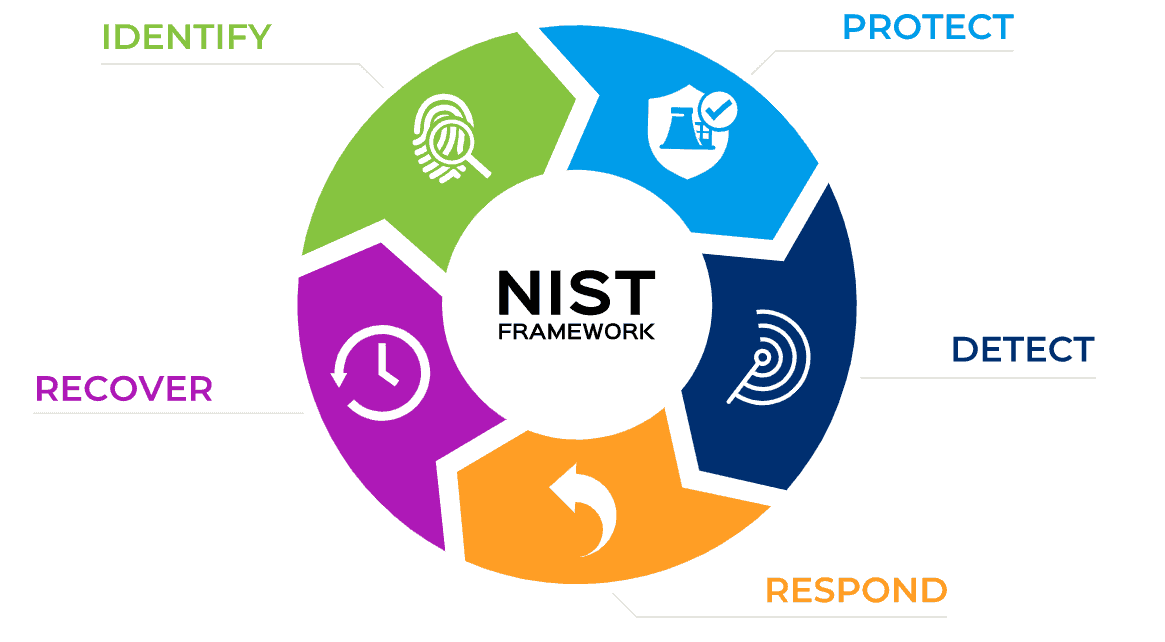
You’ll draw diagrams, run threat models, and work with engineering teams. Companies love architects who know NIST frameworks and cloud platforms.
Best path: Gain 5-8 years as a security engineer, earn CISSP or CCSP, and practice designing systems in home labs or on cloud free tiers.
3. Cloud Security Architect / Engineer
Median Salary: $130,000 – $220,000
Almost every company uses AWS, Azure, or Google Cloud. Cloud security specialists make sure data stays safe in these environments. You configure secure networks, set identity rules, and monitor for misconfigurations that hackers love to exploit.
Demand exploded because cloud breaches made headlines in 2025. Roles here often include automation and DevSecOps practices.
Tip: Learn AWS Security Specialty or Azure Security Engineer certs. Hands-on experience with Terraform and Kubernetes security is gold.
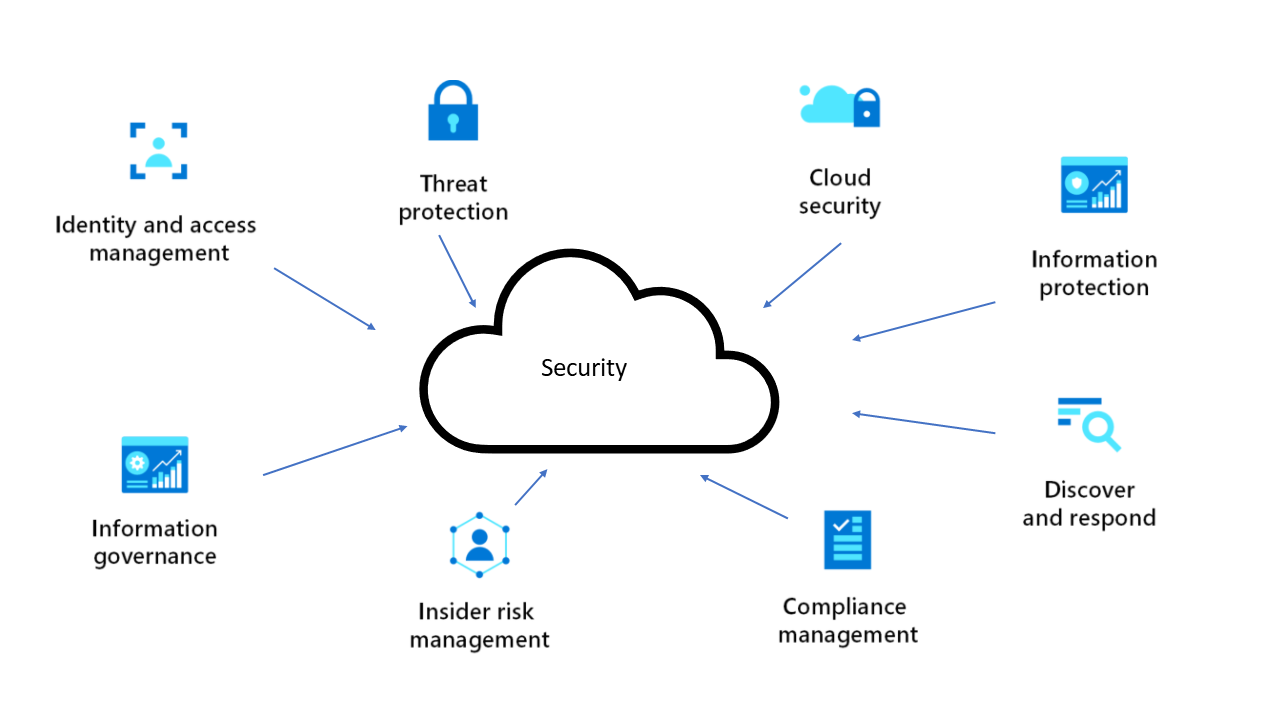
(Image credit: Cloud security architecture diagram – Microsoft Learn)
4. Senior Penetration Tester (Ethical Hacker)
Median Salary: $115,000 – $160,000+
You legally break into systems to find weaknesses before real attackers do. Using tools like Kali Linux, you run scans, exploit vulnerabilities, and write detailed reports with fixes.
This job is perfect if you love puzzles and “hacking” ethically. Many pentesters work freelance or for consulting firms, charging high daily rates.
Key certs: CEH for starters, then OSCP for serious credibility. Build a home lab and practice on platforms like Hack The Box.

(Image credit: Ethical hacking setup with Kali Linux – Amazon product imagery for penetration testing tools)
5. DevSecOps Engineer
Median Salary: $150,000 – $198,000
You blend development, security, and operations. Instead of security coming last, you bake it into every code change—automated scans, policy-as-code, secure pipelines.
Companies moving fast with AI and cloud need these engineers badly. Salaries keep rising because good DevSecOps talent is rare.
Start with Security+, learn Python or Go, and get comfortable with CI/CD tools like Jenkins or GitHub Actions.
6. Information Security Director / Manager
Median Salary: $110,000 – $180,000
You manage teams of analysts and engineers, set policies, run awareness training, and handle incident response. Great middle-to-senior step toward CISO.
7. Application Security Engineer
Median Salary: $95,000 – $181,000
Focus on keeping apps and APIs safe. You review code, run SAST/DAST scans, and help developers fix issues quickly.
8. Cybersecurity Consultant (Senior)
Median Salary: $110,000 – $194,000
Work for firms like Deloitte or smaller boutiques. You visit clients, assess risks, and recommend solutions. Travel (or remote) and variety keep it fresh.
Other strong roles include Incident Response Lead ($120K+), AI Security Specialist (emerging, $160K+), and Vulnerability Researcher ($135K+).
Pro tip: Specialize in cloud or AI security and you’ll see 15-25% higher offers.
Must-Have Certifications for 2026
Certifications prove your skills to employers and often add $10,000–$30,000 to your salary. Here are the ones that matter most this year.

(Image credit: CompTIA Security+ official logo – Khano Training Institute)
CompTIA Security+
- Cost: Around $404
- Who it’s for: Beginners, career changers, helpdesk pros
- Why it rocks: Covers basics of threats, networks, cryptography, and compliance. It’s the most requested entry-level cert.
- Time to prepare: 1-3 months with good study.
Many job postings list it as “required or preferred.” Pass this and you’re ready for junior analyst roles.
(Image credit: CISSP certification logo – Learning Tree)
CISSP (Certified Information Systems Security Professional)
- Cost: $749 exam fee
- Who it’s for: Mid-to-senior pros with 5+ years experience
- Why it rocks: The gold standard. Covers 8 domains including risk management, software security, and physical security.
- Salary boost: Often $20,000–$35,000 more.
Certified Information Security Manager (CISM)
- Perfect for managers and future CISOs. Focuses on governance, risk, and program building.
Certified Ethical Hacker (CEH) & OSCP
- CEH for broad ethical hacking knowledge.
- OSCP for real-world, hands-on mastery—highly respected and tough.
Cloud Certifications
- AWS Certified Security – Specialty
- CCSP (Certified Cloud Security Professional)
- Azure Security Engineer
Emerging AI Security Certs
- Certified AI Security Engineer (CAISE)
- Advanced AI Security Management (AAISM)
My advice: Start with Security+. Then pick one path—defensive (CySA+, CISM) or offensive (CEH, OSCP). Update your LinkedIn and resume the day you pass.
Check our detailed CompTIA Security+ study roadmap here
Essential Skills You Need to Succeed
Technical Skills:
- Networking fundamentals (TCP/IP, firewalls, VPNs)
- Operating systems (Linux commands, Windows security)
- Programming/scripting (Python, Bash, PowerShell)
- Cloud platforms and their security features
- Threat detection tools (SIEM like Splunk)
- Vulnerability scanning and penetration testing
- Identity and access management (Zero Trust)
- Incident response and forensics basics
Soft Skills:
- Clear communication—explaining risks to non-tech bosses
- Problem-solving under pressure
- Ethics and integrity
- Teamwork and continuous learning
Build these with free resources: TryHackMe, HackTheBox, OverTheWire, and YouTube channels. Set up a home lab with old hardware or cloud credits.
Step-by-Step: How to Start Your Cybersecurity Career
- Build foundations – Learn computer basics, networking, and Linux.
- Get your first cert – Security+ is the smartest move.
- Gain practical experience – Home labs, CTF challenges, bug bounty programs.
- Land an entry role – SOC analyst, junior security engineer, or IT support with security focus. Many companies hire and train.
- Network – Join Discord communities, Reddit r/netsec, LinkedIn groups, and local meetups.
- Keep learning – One new skill or cert every 6-12 months.
Entry-level salaries 2026: $70K-$110K US, ₹5-12 lakhs India. With 2-3 years experience, you can jump to $120K+.
Read our full guide on breaking into cybersecurity with no experience
Career Progression and Different Paths
- Blue team (defensive): Analyst → Senior Analyst → SOC Manager → Director
- Red team (offensive): Pentester → Senior Pentester → Red Team Lead
- GRC path: Analyst → Compliance Manager → CISO
- Cloud/DevSecOps: Engineer → Architect → Lead
Switching paths is common. Many start defensive and move to architecture or consulting.
Challenges and How to Handle Them
Long hours during incidents, constant learning, and high stress exist. Combat burnout with good boundaries, regular breaks, and hobbies outside tech. Companies now offer better wellness programs and mental health support.
The skills gap means employers compete for talent—use that to negotiate better pay, remote work, or training budgets.
Future Trends Shaping Cybersecurity in 2026 and Beyond
- AI everywhere: Attackers use AI to craft better phishing; defenders use it for faster detection.
- Quantum computing readiness: New encryption standards coming soon.
- Zero Trust adoption: Never trust, always verify—becoming default.
- Regulatory pressure: More laws mean more compliance jobs.
- OT and IoT security: Protecting factories, power grids, and smart devices.
- Privacy focus: Data protection officers in high demand.
Stay ahead by following reports from CrowdStrike, Gartner, and the World Economic Forum.
Resources to Accelerate Your Journey
- Official cert sites: CompTIA, ISC2, EC-Council
- Practice: TryHackMe, HackTheBox
- Salary check: Levels.fyi, Glassdoor
- Free training: Google Cybersecurity Certificate on Coursera, Microsoft Learn
- Communities: r/cybersecurity, Discord servers, local BSides conferences
Internal resources on our site:
- How to build a home lab on a budget
- Best free resources for beginners
Conclusion: Your Cybersecurity Career Starts Today
The Cybersecurity Career Guide shows one clear truth: 2026 is a fantastic time to enter or advance in this field. High-paying jobs, meaningful work, and endless growth opportunities await those ready to learn and adapt.
Pick one action right now—enroll in Security+ training, set up a practice lab, or update your resume with new skills. Small steps compound fast in cybersecurity.
You’ve got this. The digital world needs protectors like you. Start building your future today, and in a few years you could be earning six figures while stopping real threats.
What’s your next move? Drop a comment below or share this guide with someone thinking about a career switch. Stay safe online, and happy learning!
Share this content:






Post Comment