Emerging Cyber Threats in 2026: AI, Deepfakes, and More
In today’s world, where everything from our morning coffee maker to our work emails is connected online, cyber threats are sneaking up faster than ever. Imagine waking up to find your bank’s app locked, or seeing a video of a world leader saying something wild that turns out to be fake. These aren’t just movie plots anymore—they’re real risks we’re facing in 2026. Emerging cyber threats are evolving with technology, and they’re hitting businesses, governments, and everyday people hard. According to reports from experts like the World Economic Forum, AI is supercharging these attacks, making them smarter and harder to spot.
Why should you care about emerging cyber threats? Well, last year alone, cyberattacks cost the world trillions of dollars, and things are only ramping up. Ransomware gangs are getting bolder, deepfakes are fooling millions, and even your smart fridge could be a weak link in a bigger hack. In this post, we’ll break down the biggest emerging cyber threats for 2026, from AI-driven hacks to quantum computing risks. We’ll look at how they’re happening, why they’re dangerous, and what you can do to stay safe. Whether you’re running a small business or just browsing the web at home, understanding these threats is key to protecting yourself.
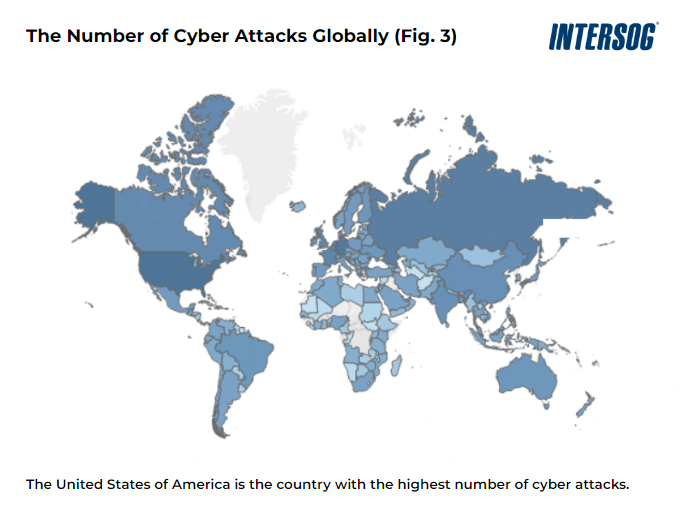
Let’s start by looking at how the cyber landscape has changed. Back in the early 2020s, threats were mostly about viruses and phishing emails. Now, with AI everywhere, attackers can automate their tricks and make them personal. Geopolitical tensions are also playing a role—nations are using cyber tools in conflicts, turning the internet into a battlefield. And as more devices connect to the IoT, the attack surface grows massive. Reports show that by 2026, over 75% of organizations expect AI vulnerabilities to be their top worry.
This isn’t just tech talk; it’s about real impacts. A single breach can leak your personal data, shut down hospitals, or disrupt elections. That’s why staying informed on emerging cyber threats is crucial. We’ll dive into specifics next, starting with one of the scariest: AI-powered attacks.
The Rise of AI in Emerging Cyber Threats
AI is like a double-edged sword in cybersecurity. On one side, it helps defenders spot issues fast. On the other, bad actors are using it to launch smarter attacks. In 2026, AI-powered cyber threats are topping the list of emerging cyber threats, as per the Global Cybersecurity Outlook from the World Economic Forum. Hackers are leveraging AI to automate phishing, create malware that adapts on the fly, and even predict your next move.
Think about phishing for a second. It used to be obvious—bad grammar, weird links. Now, AI can craft emails that sound just like your boss, using details from social media. Natural language processing (NLP) lets attackers generate convincing messages in seconds. A report from Prime Secured notes that deepfake and NLP-powered attacks are mainstream now, impersonating employees to trick you into clicking or sharing info.
But it gets worse. AI agents are becoming the new frontline. These are autonomous programs that can scan networks, find weak spots, and exploit them without human input. In 2026, expect “agentic” attacks where AI handles everything from reconnaissance to data theft. Bernard Marr on LinkedIn highlights this as one of the biggest trends, saying AI agents raise the stakes for everyone. Defenders are fighting back with their own AI, but the arms race is on.
Another angle is AI in malware. Polymorphic malware changes its code to evade detection, and AI makes it evolve faster. SentinelOne lists AI cyber threats as a top concern for 2026. Imagine a virus that learns from your antivirus and adapts around it—that’s the reality now.
Businesses are hit hardest. Supply chains are vulnerable because one AI-hacked vendor can spread to thousands. Google Cloud’s forecast warns of AI escalating attack speed and scope. For individuals, AI means more targeted scams, like voice cloning for fraud calls.
To visualize this, here’s an illustration of how AI powers cyber attacks:
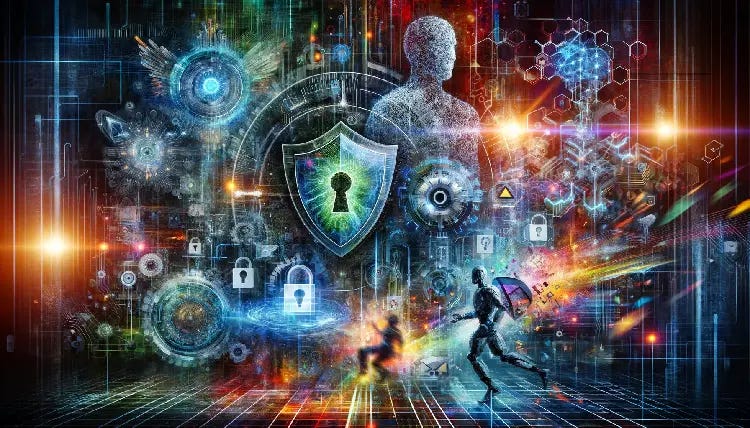
Image credit: https://rodtrent.substack.com/p/ai-powered-cyber-attacks-the-double
The key takeaway? AI isn’t just a tool; it’s reshaping emerging cyber threats. Organizations need AI governance to set rules and guardrails, as Cybersecurity Dive suggests. Without it, we’re playing catch-up.
Deepfakes: The Fake Reality Threat
Deepfakes are no longer sci-fi—they’re a core part of emerging cyber threats in 2026. These are AI-generated videos or audio that make it look like someone said or did something they didn’t. From fake celebrity endorsements to political manipulation, deepfakes spread misinformation like wildfire.
How do they work? AI algorithms swap faces or voices using tons of data. A simple app can turn a video of you into something embarrassing or illegal. In cybersecurity, deepfakes amp up social engineering. Hackers use them in “vishing” (voice phishing) to impersonate CEOs and demand wire transfers. The University of San Diego warns of ever-more sophisticated attacks involving machine learning.
The danger? Trust erosion. During elections, a deepfake video could sway votes. Businesses face risks too—fake exec videos could tank stock prices. IBM’s YouTube trends point to deepfakes redefining security. And with AI improving, spotting fakes is tough. Tools like watermarking help, but not always.
Personal impacts are huge. Scammers use deepfakes for sextortion or family emergencies. Check Point Research notes AI as a force multiplier in attacks.
Here’s an example of a deepfake video side-by-side with the original:

Image credit: https://www.opendemocracy.net/en/democraciaabierta/c%C3%B3mo-usar-el-poder-de-blockchain-para-combatir-videos-deepfake-en/
To fight back, use verification tools and educate teams. Emerging cyber threats like deepfakes demand vigilance.
Ransomware: Still Evolving and Deadlier
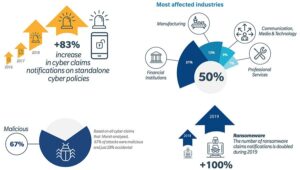
Ransomware isn’t new, but in 2026, it’s one of the most persistent emerging cyber threats. Attackers lock your files and demand payment, often in crypto. What’s changing? It’s more targeted and fragmented.
Groups like those hit in 2025 takedowns are splintering, making them harder to track. Check Point says ransomware operations are more targeted now. They hit critical infrastructure, like hospitals, where paying up is tempting.
AI boosts ransomware too—automating encryption and extortion. Teceze forecasts the first major AI-driven breach in 2026. Extortion tactics escalate: leak data, threaten physical harm.
Impacts? Massive. Canada’s National Cyber Threat Assessment calls ransomware the top threat to critical infrastructure. Businesses lose days of operation, plus reputation.
Here’s a diagram showing the anatomy of a ransomware attack:
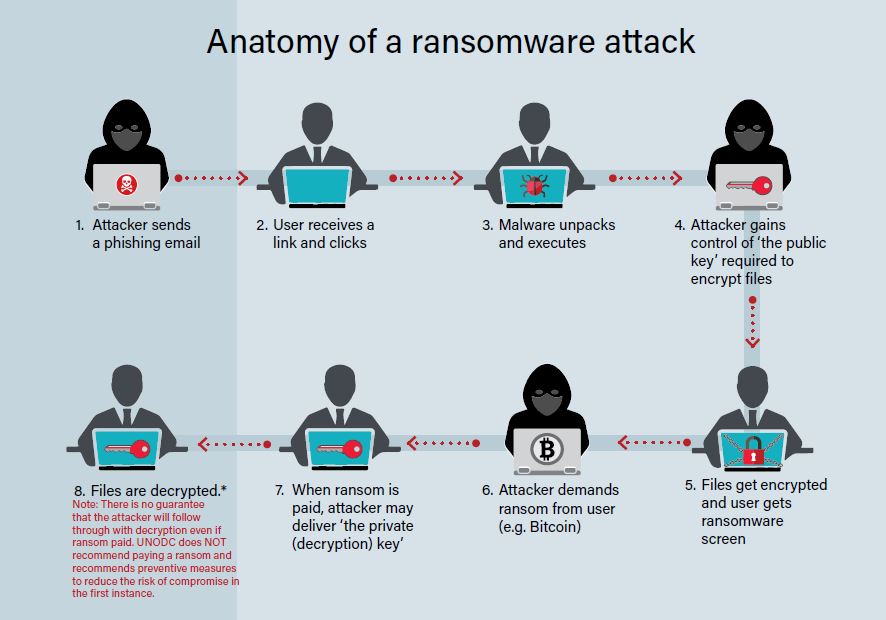
Image credit: https://www.unodc.org/roseap/en/2021/10/cybercrime-ransomware-attacks/story.html
Backups and zero-trust help, but emerging cyber threats in ransomware mean constant updates.
IoT Vulnerabilities: The Connected Risk
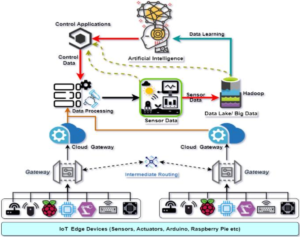
With billions of smart devices, IoT is a hotspot for emerging cyber threats. Your thermostat or camera could be hacked to spy or launch DDoS attacks.
Why vulnerable? Many devices have weak security—default passwords, no updates. Allerin outlines issues like cost constraints and lack of expertise. Wait, no, that’s image. From SentinelOne, IoT vulnerabilities are common.
In 2026, as homes and cities get smarter, risks grow. Botnets like Mirai show how IoT can amplify attacks. Geocode rarely used, but threats are real.
For businesses, industrial IoT (IIoT) in factories is prime target. A hack could halt production.
Visualize the vulnerabilities:
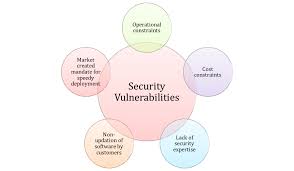
Image credit: https://www.allerin.com/blog/security-risks-and-challenges-to-iot-devices/
Secure with strong passwords, updates, and segmentation.
Quantum Computing: Breaking Encryption
Quantum computers are emerging, and they’re a threat to current encryption. In 2026, they’re closer to cracking codes that protect data.
How? Quantum bits (qubits) solve problems fast. Shor’s algorithm could break RSA. MIT Technology Review says we’re unprepared.
ECCU notes quantum-safe encryption as a trend. Post-quantum crypto is key.
Governments are worried—data harvested now could be decrypted later.
Here’s an illustration of quantum threats:
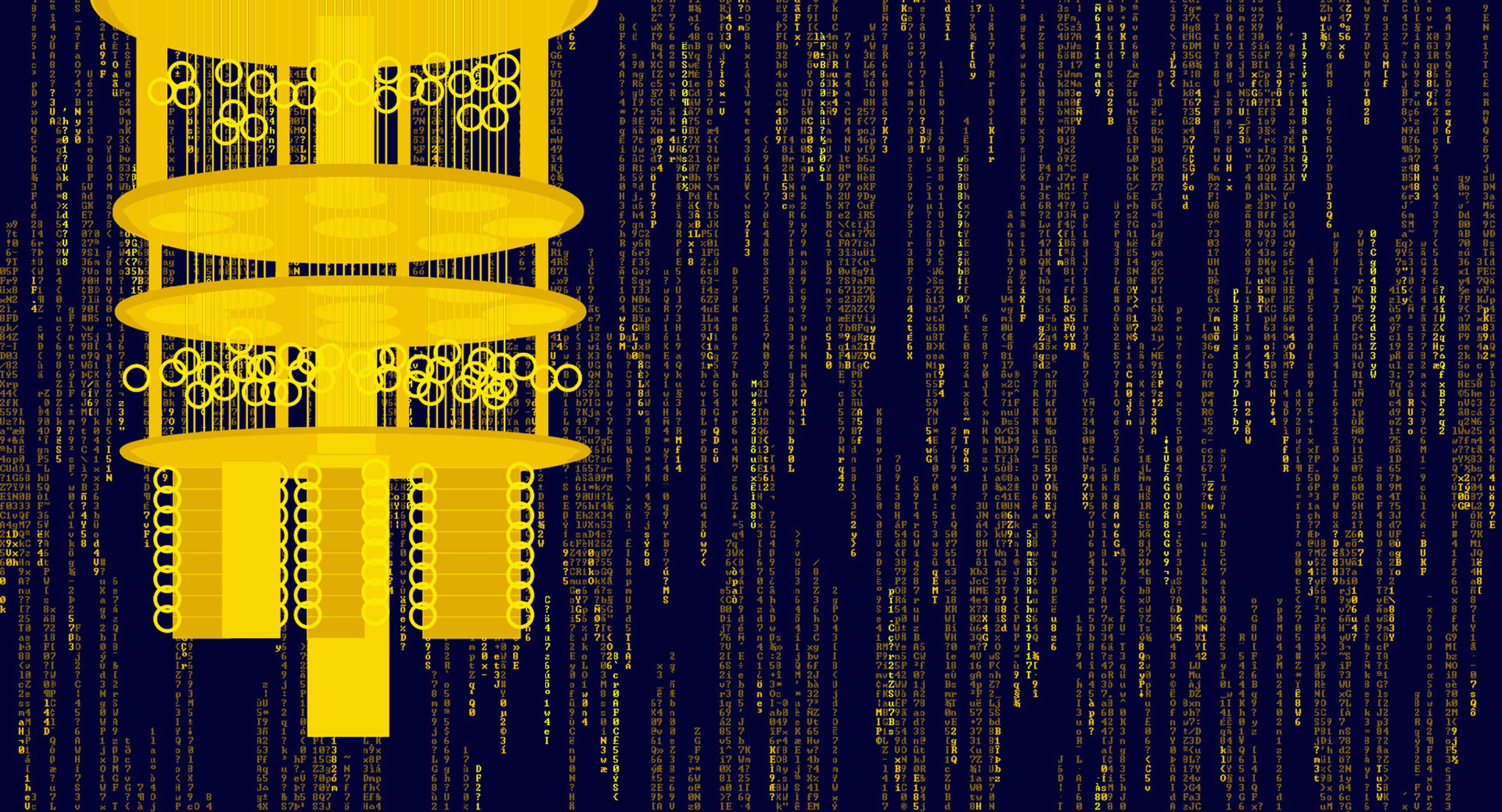
Image credit: https://www.technologyreview.com/2018/12/03/138821/quantum-computers-encryption-threat/
Shift to quantum-resistant algorithms now.
Supply Chain Attacks: The Hidden Chain Reaction
Supply chain attacks hit vendors to reach many targets. SolarWinds showed the damage.
In 2026, they’re rising with AI and complexity. WEF report says third-party vulnerabilities are top challenge. Opacity in chains makes it hard.
TierPoint warns of API vulnerabilities in chains.
Diagram of a supply chain attack:
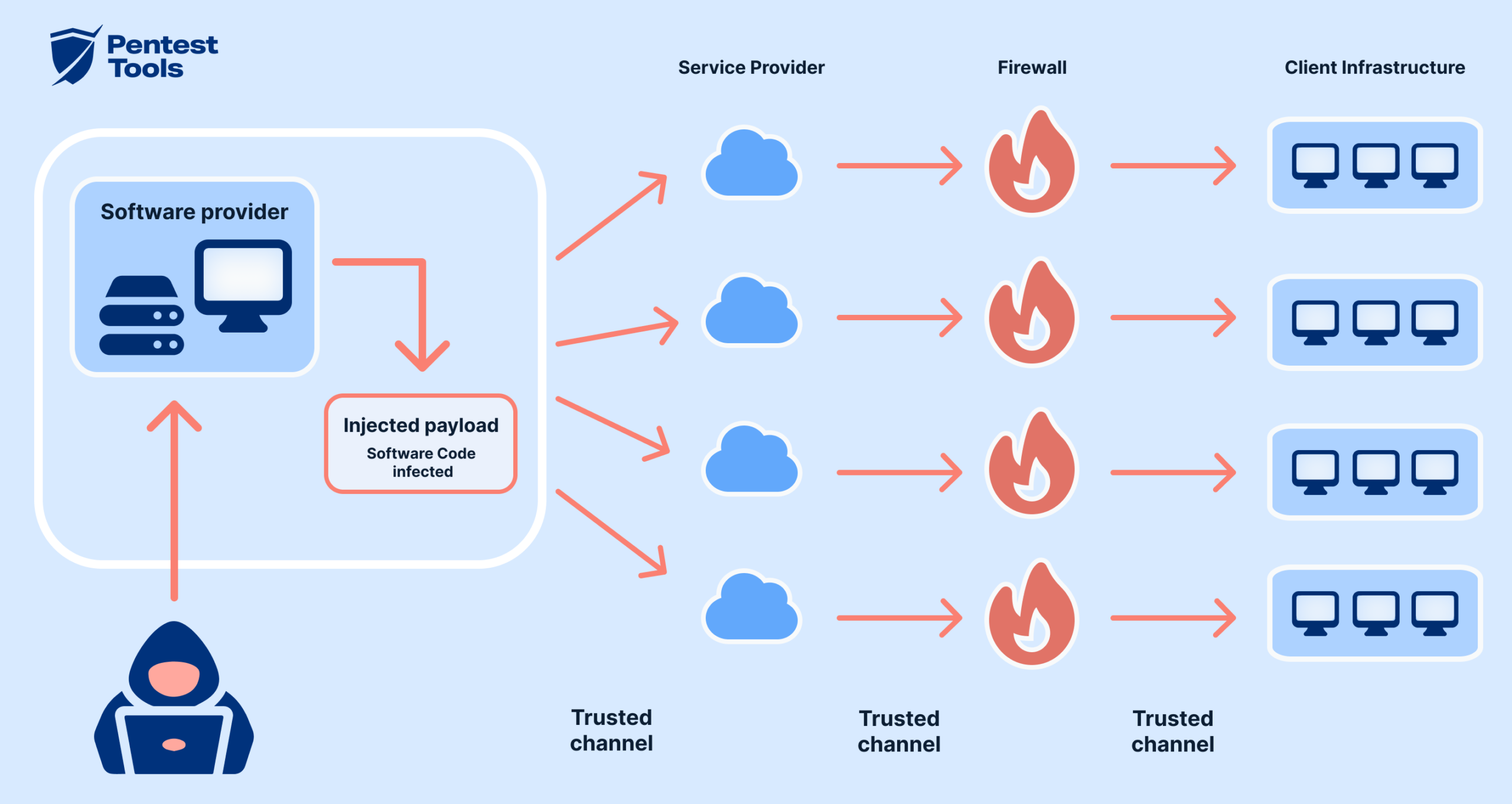
Image credit: https://pentest-tools.com/blog/supply-chain-attacks
Vet vendors, use SBOMs.
Other Emerging Cyber Threats
Don’t forget social engineering, now AI-boosted. Zero-day exploits target unknowns. Cloud misconfigs expose data. Geopolitical cyberwar rises, per SecurityWeek. Nation-states align cyber with conflicts.
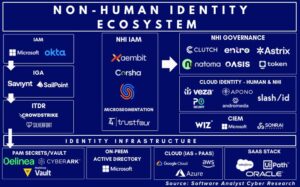
Shadow AI—unauthorized AI use—creates risks. IBM mentions polymorphic malware.
Cyber inequity widens gaps.
How to Mitigate Emerging Cyber Threats
Fighting back starts with basics: strong passwords, MFA. For AI, implement governance.
Use zero-trust—verify everything. Regular audits, employee training.
For ransomware, backups offline. Quantum? Adopt post-quantum standards.
Table: Mitigation Strategies
| Threat | Strategy | Why It Works |
|---|---|---|
| AI Attacks | AI monitoring tools | Detects anomalies early |
| Deepfakes | Verification software | Spots fakes |
| Ransomware | Air-gapped backups | Recovery without paying |
| IoT | Device segmentation | Limits spread |
| Quantum | Quantum-safe encryption | Future-proofs data |
| Supply Chain | Vendor assessments | Reduces inheritance risk |
Collaborate—share threat intel. Regulations like SEC disclosures shape responses.
Stay updated via forums like Reddit.
Wrapping Up
Emerging cyber threats in 2026 are daunting, but knowledge is power. From AI to quantum, threats evolve, but so do defenses. Act now—secure your devices, educate yourself, and build resilience. The digital world is worth protecting. Stay safe out there.
Share this content:




Post Comment